
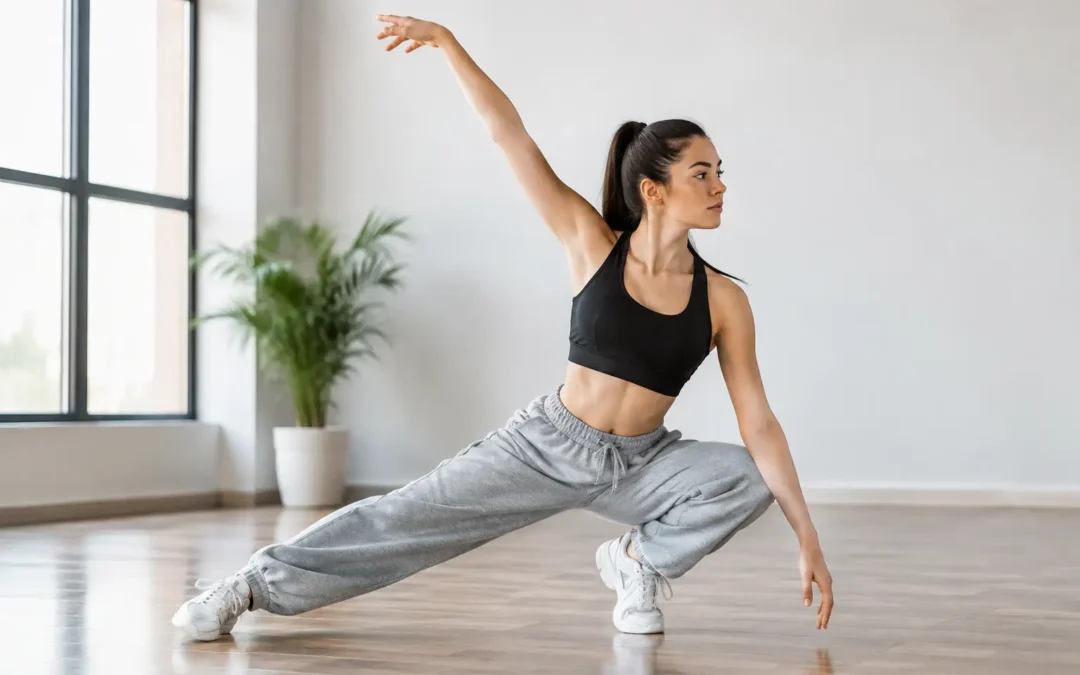
A good practice session does not need a mirrored studio, an hour of free time or a child who is already highly motivated. To build a dance practice routine that lasts, families need something more realistic: a short, positive plan that fits around school, work, homework and busy weekends. For dancers, regular practice can turn a tricky reel step into something they feel proud to perform. For parents, it can make progress feel calmer and more visible between classes.
Irish dance rewards consistency. Small amounts of focused practice help dancers develop rhythm, balance, strength and confidence, without turning home life into another lesson. The aim is not perfection in the living room. It is to help every dancer arrive at class feeling familiar with their steps, ready to learn and encouraged by what they can do.
Start with the dancer’s real goal
Before choosing a timetable, decide what practice is for right now. A beginner may need to remember which foot starts their first reel. A dancer preparing for a display may need performance confidence and sharper timing. Someone working towards competitions may need greater stamina, cleaner technique and the discipline to repeat a section carefully.
One clear goal is better than a long list. Ask a young dancer, “What would feel easier by next class?” The answer might be keeping their arms still, remembering a lead-around, or landing softly in their jumps. Adults often have a different goal: feeling less self-conscious, improving fitness or finally learning a dance they have admired for years.
Goals can change as dancers progress. That is a good sign. A routine should support the stage they are at, rather than copying the training schedule of a more experienced dancer.
Build a dance practice routine around short sessions
For most beginners, two or three short sessions each week are more useful than one long session that feels exhausting. Ten to 15 focused minutes can be plenty for a younger child. Teen dancers may benefit from 20 to 30 minutes, particularly when preparing for performances or competitions. Adults should begin with an amount that feels manageable and leave enough energy to enjoy coming back to it.
Choose dependable moments rather than waiting for a perfect gap. Perhaps practice happens after a snack on Tuesday and Thursday, or before tea on a Sunday. Put it in the family diary as you would swimming, music or football. A predictable routine removes the daily negotiation of whether practice will happen.
It also helps to keep expectations flexible. A school play, a family celebration, illness or a packed week may mean one session is missed. That does not undo progress. Simply return to the next planned practice without making the missed session a problem.
A simple 15-minute home practice structure
A short session needs a beginning, middle and end. Start with two or three minutes of gentle movement: marching in time, ankle circles, calf raises and a few controlled stretches. This prepares the body and reminds dancers that safe technique matters.
Spend the next eight to 10 minutes on one specific piece of classwork. For example, practise the first section of a reel slowly, then repeat it with music once the steps feel secure. If a dancer is learning hard shoe, it may be better to mark the movements softly where flooring or neighbours make full volume unsuitable.
Use the final few minutes for a confidence run. Let the dancer perform the section they know best, then finish with a cool-down and one positive observation. “Your timing stayed with the music” is more helpful than a vague “well done”. It gives them something real to recognise and repeat.
Make the practice space safe and suitable
Irish dance involves quick feet, jumps and powerful movement, so a safe area matters more than a large area. Clear toys, bags and loose rugs out of the way. Make sure there is enough space to move without kicking furniture or another family member. A supportive, non-slip surface is preferable to a slippery floor, and dancers should follow the footwear guidance given in class.
Not every part of practice needs full steps. In a smaller home, dancers can work on posture, arms, rhythm, counts, foot placement and step recall. Listening to music and saying the counts aloud are worthwhile forms of practice too. This is especially useful for beginners who are still building confidence in the sequence.
Parents do not need to become dance teachers. In fact, trying to correct every detail can leave a child frustrated. The teacher will guide technique, turnout, posture and progression in class. At home, the most valuable role is often creating a safe space, playing the music, noticing effort and helping the dancer stick to their plan.
Keep practice encouraging, not pressurised
Children are more likely to continue when practice feels connected to their own achievement. Instead of saying, “You must do your dancing,” try, “Shall we do your 10-minute reel practice before tea or after?” Offering a small choice gives them ownership while keeping the commitment clear.
Praise process as well as results. A dancer who tries a difficult section slowly, listens carefully and has another go is building the habits that support long-term progress. This matters just as much as getting every step right straight away.
For pre-school children, practice may look more like a short movement game. Clap the beat, march to the music, point toes and celebrate a favourite dance. At this age, enjoyment and coordination come first. For children aged five to 12, a visual chart or a simple tick in a notebook can make regular effort satisfying without turning it into a reward system based only on talent.
Teenagers often respond well when they can see how practice connects to a larger ambition, whether that is joining a display team, improving their competition result or feeling ready for a new level. Give them room to take responsibility, while recognising that encouragement still matters.
Use music and feedback wisely
Music is one of the easiest ways to make practice more productive. Start slowly if the dancer is learning new material. There is no benefit in racing through a step before the feet understand where to go. Once the pattern is secure, work towards the speed used in class.
A short video can sometimes help a dancer remember choreography, provided it is used positively and with teacher guidance. They can compare their own practice with what they were taught, rather than trying to copy advanced dancers online. For performance preparation, recording one full run can also help a dancer practise finishing strongly, even if they make a mistake in the middle.
Feedback should stay specific and limited. Choose one point for the next attempt: straighter knees, clearer rhythm or stronger finishing position. Trying to improve everything at once usually makes a dancer tense and takes the enjoyment out of the session.
Know when rest is the best choice
Dedicated dancers can be tempted to practise through tiredness, but recovery is part of sensible training. Stop if there is pain, dizziness or discomfort, and seek appropriate advice where needed. Young dancers need time for school, friends, other activities and rest. Adults do too.
A routine should strengthen a dancer’s relationship with Irish dance, not make it feel like a chore. During demanding periods, a five-minute music-and-steps recap may be enough to maintain familiarity. During school holidays or before a performance, practice may naturally increase for a short time.
At Kane Irish Dance, class teaching gives dancers the expert corrections, structure and community that home practice cannot replace. A simple routine between lessons helps that teaching settle in, giving each dancer more confidence to take their next step.
The best routine is the one your dancer can return to next week: a clear goal, a safe space, a few minutes of focused effort and a reason to feel pleased when the music stops.