
A child may arrive at their first dance class clutching a parent’s hand, unsure whether they will know anyone or get the steps right. An adult beginner may be quietly wondering if everyone else will be more experienced. In both cases, recognised dance teaching standards make a real difference. They shape whether a class feels safe, welcoming and well organised – and whether each learner has a genuine chance to grow.
For families, choosing a dance class is about far more than finding a convenient day and time. You are trusting a teacher with your child’s confidence, physical development and early experiences of being part of a group. For adult learners, quality teaching is what turns the nerves of starting something new into the pride of seeing progress each week.
What recognised dance teaching standards should look like
Recognised standards are not simply a certificate displayed on a wall. They are reflected in the everyday detail of teaching: how beginners are welcomed, how dancers are corrected, how progress is planned and how every person in the room is treated.
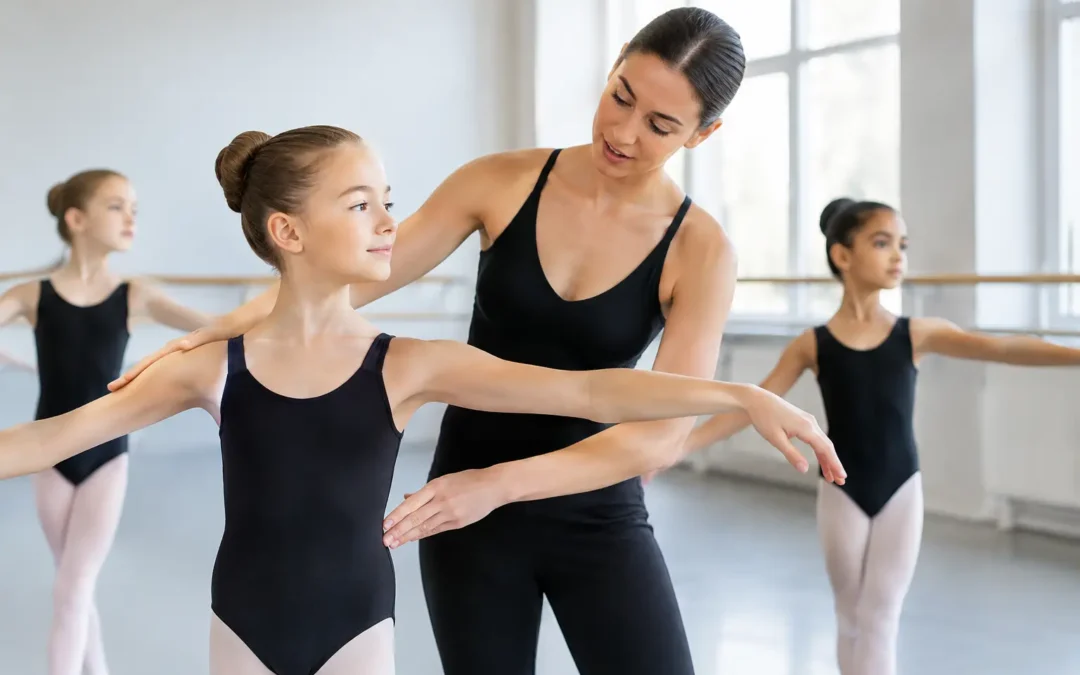
A high-quality dance teacher understands that learners develop at different speeds. One child may immediately love performing, while another needs time to find their feet. A strong class gives both dancers something to work towards without making either feel left behind. Instructions should be clear, age-appropriate and encouraging, with technique taught carefully rather than rushed for the sake of a more complicated routine.
In Irish dance, that matters particularly because the foundation is so valuable. Posture, rhythm, turnout, timing and musicality all build gradually. When these basics are taught properly, dancers can progress with confidence into soft shoe, hard shoe, team routines, displays and competition work when they are ready.
Safe teaching is active teaching
Safe practice is not only about responding when something goes wrong. It is about planning to help dancers avoid unnecessary risk from the start. This includes appropriate warm-ups, suitable flooring and space, supervision, sensible class sizes, and exercises matched to a dancer’s age and ability.
It also means teachers remain alert. Young children need different support from teenagers preparing for a competition, and adults returning to movement after a long break need a different pace again. A good teacher adapts while still maintaining a clear structure.
For parents, practical safeguarding arrangements are also worth asking about. DBS-checked staff and volunteers, clear communication, professional boundaries and a well-managed collection process provide reassurance. These details may not be the most exciting part of choosing a class, but they are essential to a positive experience.
Progress should have a purpose
A class can be friendly and fun while still having high expectations. In fact, children often gain the most confidence when they can see that their effort leads somewhere. Recognised dance teaching standards should include a thoughtful progression route, so learners are not repeating the same level of work indefinitely or being pushed ahead before they are prepared.
For a younger child, progress might mean joining in independently, remembering a short sequence or performing with a smile at a class celebration. For an older dancer, it could be developing stronger hard shoe rhythms, preparing for a local competition or working towards championship qualification. Neither pathway is more worthwhile. The right goal depends on the dancer.
At Kane Irish Dance, that journey can begin with a first trial class and build through structured training towards performances, competitions and, for ambitious dancers, Irish Open Championship qualification. The important point is that every stage has value. A dancer does not need to be competition-focused to benefit from expert teaching, and a dancer with big ambitions needs foundations strong enough to support them.
How good teaching builds confidence beyond dance
The best dance teaching does not measure success only by steps learnt or medals won. Dance gives children regular opportunities to practise qualities that will serve them at school, in friendships and later in life.
They learn to listen closely, try again after a mistake and contribute to a team. They experience the healthy satisfaction of working towards a performance rather than expecting instant results. Standing alongside classmates in a display can be a huge confidence milestone, especially for a child who is usually reserved.
This is why the atmosphere of a class matters so much. Discipline should never mean humiliation. Corrections are a necessary part of learning, but they should be delivered with respect and clarity. Dancers need to know what to improve and how to improve it, while still feeling pleased with the effort they have made.
A supportive academy also creates friendship across ages and experience levels. New starters can see where consistent practice may take them, while more experienced dancers learn responsibility by setting a positive example. That sense of belonging is often what encourages children to keep going through the harder weeks.
Questions to ask before booking a dance class
You do not need to be a dance expert to make a confident choice. A conversation with the academy should help you understand how it teaches, who the class is for and what happens after the first session.
Ask how complete beginners are introduced. A welcoming answer should explain that no previous experience is needed and that the early lessons focus on accessible skills, not pressure to perform straight away. It is also useful to ask how classes are grouped by age or stage, as a pre-school dancer, a primary-aged beginner and a teen learner will all benefit from a different approach.
Find out how the teacher tracks progress. Some academies use informal feedback, while others offer structured goals, performance opportunities or competition pathways. There is no single model that suits every family, but there should be a clear sense of direction.
Finally, consider how the class makes you feel. Are questions answered patiently? Is the information about fees, clothing and expectations straightforward? Does the teacher speak about dancers as individuals, rather than as names on a register? Professional standards show up in those first interactions as much as they do in a polished performance.
Standards for adult beginners matter too
Adults are sometimes tempted to choose the least demanding class because they fear being out of place. Yet a beginner-friendly course should not mean vague teaching or an absence of progression. Adults deserve patient, knowledgeable instruction that breaks down technique, offers options where needed and celebrates each improvement.
Irish dance can be a joyful way to become more active, meet people and reconnect with music and movement. Some adults want a sociable ceilí experience; others enjoy the focus of learning traditional steps. A thoughtful teacher will make room for both, without assuming that age or lack of prior training limits what someone can achieve.
The right level of challenge is personal. A gentle pace may be ideal for someone returning after injury or a long period away from exercise, while another beginner may relish a faster learning curve. Good teaching recognises the difference and gives learners permission to progress at a pace that feels sustainable.
Achievement and enjoyment belong together
There can be a false choice between a relaxed, inclusive class and one with excellent standards. Families should not have to choose. The most meaningful achievement comes when dancers feel supported enough to take a risk, whether that means trying a new hard shoe step, joining a display or stepping onto a competition stage.
High standards create the conditions for enjoyment to last. They help dancers develop safely, understand what they are learning and feel proud of their progress. They also give parents confidence that their child is being taught with care, expertise and a clear sense of responsibility.
If you are considering Irish dance for your child or for yourself, start with a class where questions are welcomed and beginners are genuinely expected. Book a trial, watch how the teaching feels, and look for the small signs of care that help a first step become a lasting accomplishment.