
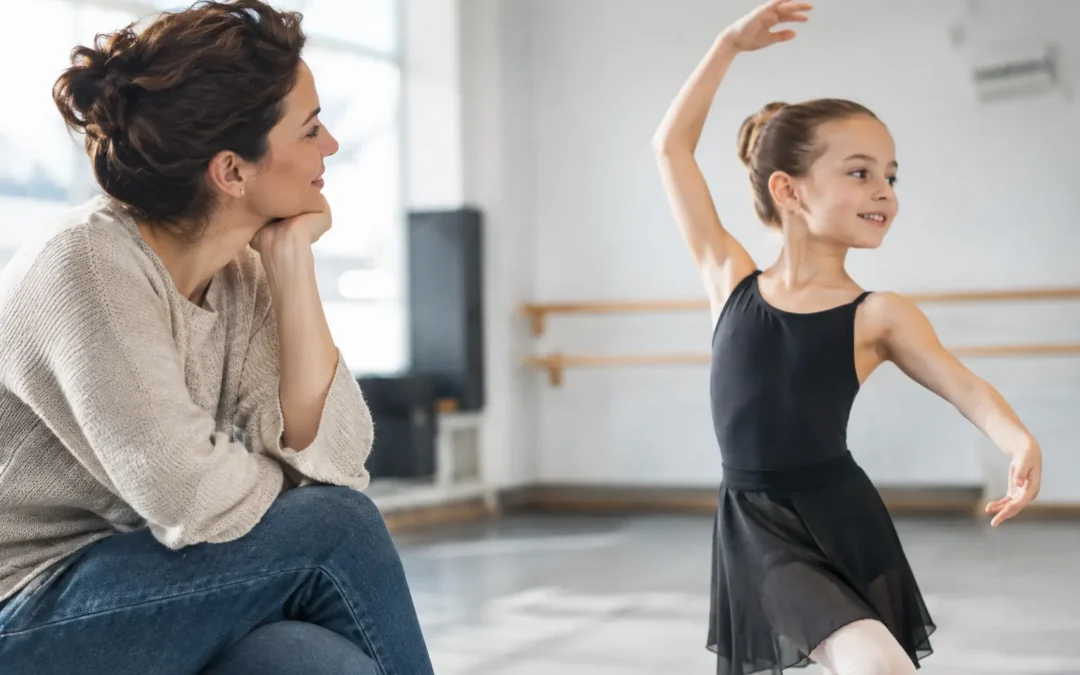
A child standing at the edge of the dance floor, watching carefully before joining in, tells you far more than a glossy leaflet ever could. That is why parents often ask, are dance trials useful? For most families, the answer is yes – provided the class is genuinely designed to welcome beginners, not test whether they already know what to do.
A trial class gives your child the chance to experience the music, movement, teacher and group for themselves. It also gives you a clearer view of whether the setting feels safe, organised and encouraging. Irish dance can offer brilliant physical activity, confidence and friendships, but the best first step is one that feels right for the individual child.
Are dance trials useful for children?
A dance trial is useful because choosing an activity is about more than deciding whether your child enjoys the idea of dancing. Children need to feel how a class works. Is the teacher clear and kind? Do they have time to settle in? Is there enough structure to help them learn, but enough warmth to make a nervous beginner feel included?
For a child aged five to twelve, a good trial class should remove the pressure to get everything right. They may copy a few basic steps, practise rhythm, take part in games or movement activities, and meet other dancers. Their first session is not an audition. It is an introduction.
Parents often see something during a trial that is difficult to predict at home. A quiet child may light up when the music begins. A child who insists they are “not a dancer” may enjoy the challenge of learning a sequence. Equally, a child who loves watching Irish dance online may decide that another hobby suits them better. Both outcomes are useful. The aim is to make a confident, informed choice rather than commit to a course based on guesswork.
A chance to build confidence at their own pace
Starting a new club can feel like a big moment, especially for children who are shy, changing schools or still finding their confidence in group activities. A trial gives them a manageable first experience: one class, one new room, one opportunity to have a go.
The right teacher understands that confidence does not always look loud. Some children join straight in; others watch for ten minutes before trying a step. Both approaches are completely valid. When a class is led with patience and clear expectations, dancers learn that progress comes from practise, listening and trying again – not from being perfect on day one.
That lesson reaches well beyond dance. Children learn to enter new situations, work alongside others and keep going when a skill takes time. Those are valuable habits whether they later perform on stage, take part in a competition or simply enjoy a weekly activity with friends.
Seeing whether the class has the right balance
Families are right to look for enjoyment, but enjoyment alone is not the whole picture. A worthwhile dance class should be fun while still teaching children how to focus, follow instruction and take pride in improving.
A trial lets you observe that balance. Look for a welcoming atmosphere, but also for purposeful teaching. Are beginners shown the foundations clearly? Is the group managed calmly? Are all dancers encouraged, rather than only the most confident or experienced? A strong academy creates a place where children can laugh, make friends and feel proud of their progress, while learning the discipline that supports real achievement.
What a useful Irish dance trial should show you
Irish dance has a wonderful range. There is the energy of light shoe dancing, the powerful sound of hard shoes, the teamwork of ceilí, and opportunities to perform and compete for dancers who want to progress. No one needs to decide which path they will take in their first class. A trial should simply reveal whether they enjoy the foundations and feel excited to return.
For younger children, this might mean learning through imaginative movement, rhythm and simple dance patterns. For older beginners and teenagers, it may mean trying traditional steps, developing posture and coordination, and discovering that they can start something new without already knowing the terminology.
At Kane Irish Dance, beginner teaching is built around making those first steps approachable while maintaining the standards that help dancers develop properly. That matters because a positive start should not mean vague instruction. Children deserve teaching that meets them where they are and gives them a clear next step.
A useful trial will also help you understand the practical side of joining. You should be able to ask about the age group, what to wear, how courses are organised, expected attendance and what progression can look like. For some families, one weekly class and a friendly social activity is the perfect fit. Others may be drawn towards displays, additional training or competition in time. The best programmes allow room for both.
When a trial class may not tell the whole story
One trial can be revealing, but it is still only one session. A child may be tired after school, feel unsettled in a new room or have a wobble because they did not know anyone yet. That does not necessarily mean dance is not for them.
If they seemed interested but hesitant, talk about the specific moment they found difficult. Were they worried about being watched? Did they struggle with a particular step? Did they wish they had a friend beside them? Often, a little reassurance and a second visit can make a considerable difference.
On the other hand, it is sensible not to push a child into continuing if they are clearly unhappy. Dance should encourage resilience, not create dread. There is a difference between normal first-day nerves and a class that does not feel like the right match. A good teacher will respect that difference and help you make a decision without pressure.
Adults can experience the same uncertainty. Many adult beginners worry they will be less fit, less flexible or less coordinated than everyone else. A trial is especially valuable here because it replaces assumptions with experience. You may discover that the class is welcoming, that everyone is learning, and that the joy of moving to music matters much more than looking polished straight away.
How to help your child get the most from a dance trial
Keep the build-up simple. Tell your child they are going to try something new, not prove that they are good at it. Comfortable clothes that allow movement are usually enough for a first class, unless you have been given specific guidance. Avoid buying shoes or a costume before they have decided they want to continue.
Arriving a few minutes early can help them settle, meet the teacher and see the space without rushing. If your child is nervous, let the teacher know quietly. Experienced dance teachers are used to welcoming new starters and can offer extra reassurance without making a fuss.
Afterwards, ask open questions rather than leading ones. “What was your favourite part?” works better than “Did you like it?” You could ask whether they enjoyed the music, whether anyone was friendly, or which step they remember. Their answer may be immediate, or they may need a little time to process the experience.
It is also worth sharing what you noticed. Perhaps they concentrated brilliantly, smiled when they thought nobody was looking, or kept trying a step that felt difficult. These small signs can show growing confidence even if they do not rush out declaring that they want to become a champion.
Choosing a trial with confidence
The value of a dance trial is not that it guarantees an instant passion. Its value is that it gives children and adults a safe place to begin. You get to see the quality of teaching, the feeling of the group and the possibilities ahead, while your dancer gets the most important information of all: how it feels to take that first step.
A welcoming class can become a weekly source of energy, friendship and accomplishment. Book a trial when you are ready, arrive with curiosity rather than pressure, and let that first piece of music show what might be possible.