
Irish dance is far more than quick feet and lively music. It is a vibrant, living tradition shaped by community, history and an extraordinary love of rhythm. From seasonal gatherings in Ireland to stages and dance schools around the world, every step carries a story.
At Kane Irish Dance, we are proud to keep that story alive in Huddersfield and across West Yorkshire. Let’s explore where Irish dance began, how it developed and why it remains such a special activity for families today.
Ancient Gatherings and the Rhythm of the Seasons
Long before Irish dance became a formal discipline, movement and music were central to community life. Seasonal gatherings brought people together to mark important moments in the agricultural year, celebrate local festivals and enjoy music, storytelling and dancing.
Much of the earliest history is difficult to document, but the tradition of dancing in groups, circles and lines remained an important part of Irish social life. These gatherings were not simply entertainment. They helped strengthen community relationships and pass cultural knowledge from one generation to the next.
Over time, Irish dance absorbed influences from different periods of Irish history. Group dances, social dances and lively footwork gradually developed into the distinctive styles we recognise today. This deep connection with community is one reason traditional Irish dance still feels so welcoming and meaningful.

The Travelling Dance Masters
During the 17th and 18th centuries, travelling dance masters played a remarkable role in shaping Irish dance. These skilled teachers travelled from village to village, often teaching in barns, kitchens, farmhouses and other available spaces.
They taught steps, posture, timing and social dances. Their work helped preserve dancing through challenging times and brought greater structure to local traditions. Lessons were sometimes held in very small spaces, which encouraged compact footwork and an upright upper body.
This period helped establish many of the characteristics that make Irish dance so recognisable today:
- Precise and energetic footwork
- Upright posture and controlled movement
- Reels, jigs and hornpipes
- Group dances and set formations
- A strong connection between music and movement
The dance masters were more than teachers. They were guardians of culture, carrying music and movement between communities and helping local styles flourish. Their influence can still be felt every time dancers practise a reel, jig or hard-shoe routine.
The Gaelic Revival and the First Feiseanna
In the late 19th century, the Gaelic Revival created a powerful new interest in Irish language, literature, music, sport and dance. Organisations such as the Gaelic League worked to celebrate and protect Irish identity at a time when many traditional customs were at risk of being forgotten.
Formal festivals and competitions became an important part of this revival. These gatherings, known as feiseanna, with feis meaning a festival, brought together dancers, musicians and families. They created opportunities for people to perform, compete and celebrate their shared heritage.
The feis tradition has continued to grow. Today, competitions can include grades, medals, championships and cultural performances. For many families, a feis is not only about winning. It is about preparation, courage, friendship and the joy of taking part.
Irish Dance Goes Worldwide
Irish communities carried their culture across the globe through migration, family traditions and community events. Irish dance schools began to appear in many countries, helping children and adults connect with their heritage wherever they lived.
The international popularity of stage productions such as Riverdance introduced Irish dance to an even wider audience. Audiences around the world were captivated by the thunder of hard shoes, the speed of the footwork and the beautiful relationship between dancers and musicians.
Today, Irish dance is performed and taught across Europe, North America, Australia and many other parts of the world. It has become a global art form while retaining its unmistakable Irish character. Few dance styles have travelled so far while keeping such a strong connection to their roots.
Why Irish Dance Still Matters to Families
For modern families, Irish dance offers much more than a weekly activity. It combines fitness, culture, achievement and friendship in one exciting experience.
Children can develop:
- Confidence from performing and learning new skills
- Discipline through regular practice
- Fitness, balance, strength and coordination
- Resilience when working towards personal goals
- Friendships within a supportive community
- A positive, screen-free activity rooted in tradition
For families seeking Irish cultural activities, dance is a wonderful way to explore heritage while building skills for everyday life. Children do not need Irish ancestry to enjoy it. Irish dance welcomes anyone who loves music, movement and being part of a team.
Keeping the Tradition Alive at Kane Irish Dance
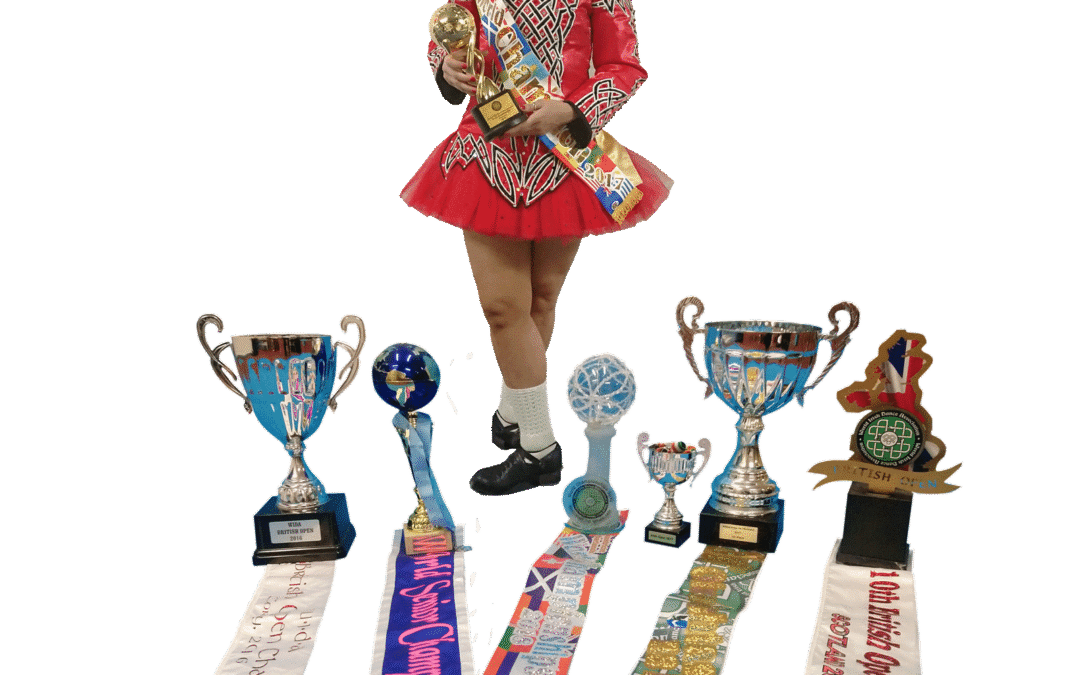
At Kane Irish Dance, pupils learn with Rebecca, our owner and a World Champion. Her experience, passion and knowledge bring the history of Irish dance into every lesson, from the first beginner steps to advanced competition training.
Our school is registered with CRN organisation Ireland, giving pupils a clear pathway to grade for badges and awards, as well as opportunities to compete. Some dancers simply enjoy learning, while others may dream of performing at championships. Every journey is celebrated.
If your child would like to learn Irish dance, we offer a friendly and supportive way to begin in Huddersfield and West Yorkshire. New families can book a free, 15-minute, non-obligatory induction to ask questions, try a few steps and discover whether Irish dance feels right for them.
For more background, read our guides: Traditional Irish Dance 101: A Beginner's Guide to Mastering History and Rhythm and How to Learn Irish Dance and Connect Your Child with Centuries of Tradition.

Take the First Step
The history of Irish dance is a story of community, perseverance and celebration. From ancient seasonal gatherings and travelling dance masters to modern feiseanna and global performances, the tradition continues to evolve while keeping its heartbeat intact.
Why not let your child experience that magic for themselves? To book the free 15-minute induction, contact Stephanie, our secretary for induction bookings, on 01484 958726. We would love to welcome your family and help keep this remarkable tradition dancing into the future.