
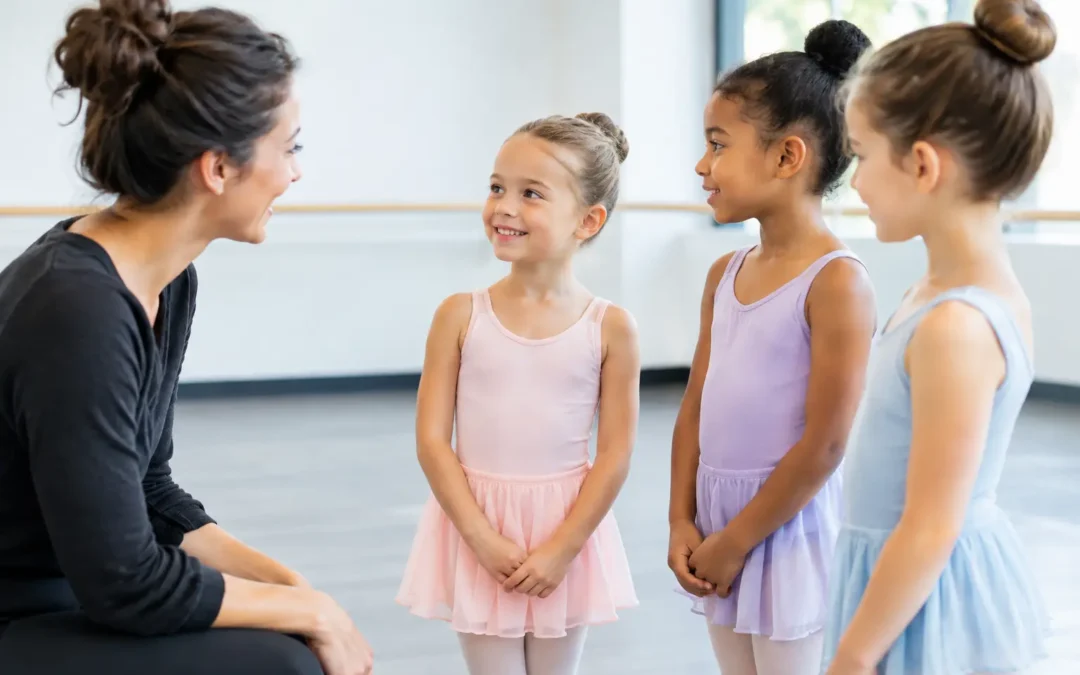
The right class can become the place where your child walks in quietly, finds their feet, makes friends and leaves proudly showing you a new step. Yet choosing children’s dance courses can feel surprisingly difficult when every programme promises confidence, fun and expert tuition. The best choice is not simply the closest class or the one with the flashiest performance photos. It is the course that meets your child where they are now, while giving them a positive route to grow.
For families, dance is often about far more than learning choreography. A well-run course builds physical skills, listening, resilience and a sense of belonging. Whether your child wants a cheerful first activity after nursery or dreams of performing on stage, a little thought at the start can make their experience happier and more rewarding.
Start with your child’s age and stage
Children learn differently at different ages. A pre-school dancer may need imaginative games, short activities and plenty of encouragement to enjoy moving to music. At this stage, the aim is not perfect technique. It is helping them develop coordination, rhythm, confidence and the security to join in without a parent beside them.
For children aged five to twelve, a more structured course can be a wonderful fit. They are often ready to learn named steps, remember sequences and practise towards a shared goal. That structure should still feel enjoyable. The strongest classes balance clear expectations with praise, laughter and achievable challenges, so children understand that effort matters as much as getting every step right first time.
Teenagers may be looking for something different again. Some want a sociable way to stay active; others are ready for focused performance or competition training. Look for a programme that gives older dancers appropriate challenge and respect, rather than expecting them to repeat work designed for much younger children.
A mixed-age class is not automatically a problem, particularly in a small or welcoming group. What matters is whether the teacher adapts activities, offers individual feedback and ensures every dancer has a chance to progress.
Choosing children’s dance courses with the right atmosphere
Before thinking about medals, costumes or the style of dance, consider how a class feels. Children are far more likely to keep attending when they feel known, included and safe. Watch how the teacher greets new dancers. Do they learn names? Do they explain things patiently? Are quieter children encouraged without being pushed into the spotlight before they are ready?
A positive dance environment makes room for different personalities. One child may be ready to lead the line in their first lesson, while another may need several weeks to feel comfortable joining in. Neither approach is wrong. The right teacher notices these differences and helps each dancer build confidence at their own pace.
Friendships matter too. Dance classes can offer children a valuable community outside school, especially when they are united by a shared skill and the excitement of preparing for a performance. A warm group culture should never mean that standards are low. In fact, children often work hardest when they feel supported by the people around them.
Look beyond the dance style
It helps to choose a style that catches your child’s imagination, but do not assume they need previous experience to know exactly what they will enjoy. A trial class is often the most useful way to find out. Your child may be drawn to the energy of Irish dance, the rhythm of tap or the storytelling of ballet, but their response to the teacher and group may matter even more.
Irish dance is a particularly rewarding choice for children who enjoy lively music, rhythmic footwork and the satisfaction of learning clear, progressive skills. It develops posture, balance, coordination and musicality, while giving dancers opportunities to perform both individually and as part of a team. Soft-shoe dancing is an approachable starting point, and dancers can work towards more advanced steps as their strength and confidence develop.
There is a trade-off to consider. Some courses are designed mainly for relaxed weekly recreation, while others offer a more structured route towards displays, examinations or competition. Neither is better for every family. A child who wants one enjoyable class a week should not feel under pressure to compete. Equally, a child with real ambition deserves access to expert coaching and a pathway that does not end once they have mastered the basics.
Check the teaching, safeguarding and organisation
Parents should feel confident asking practical questions. Who teaches the class? What training and experience do they have? Are staff and volunteers DBS checked where required? How is attendance managed, and what happens if a child feels anxious, gets hurt or needs additional support?
Quality teaching is not only about the teacher’s own achievements, although experience and recognised credentials do matter. It is about the ability to break a skill into manageable stages, spot when a dancer needs help and celebrate genuine progress. A brilliant performer is not automatically a brilliant teacher. Look for someone who can make beginners feel capable while maintaining high standards for those who want to advance.
Organisation is another sign of care. Clear course times, transparent fees, suitable class sizes and straightforward communication make a real difference to family life. You should know what your child needs to wear for their first session, whether special shoes are required immediately and what commitment is expected before booking. Beginners should be able to start without costly pressure or confusing rules.
Ask what progress looks like
Children thrive when they can see that their efforts lead somewhere. That does not have to mean formal competition. Progress might be joining the group independently, remembering a full dance, improving timing, performing in front of an audience or helping a newer dancer feel welcome.
A good academy will be able to explain how dancers move from one level to the next. For beginners, this may mean mastering core movements and learning classroom routines. Later, it could include performance opportunities, more complex choreography, team dancing or competition preparation. Clear progression gives children something to work towards and reassures parents that their investment of time and energy has purpose.
At Kane Irish Dance, dancers can begin with accessible, beginner-focused tuition and, if they choose, work towards displays, competitions and championship-level goals. That combination matters because children do not all know their destination at the first class. They need a welcoming first step and the confidence that bigger opportunities will be there when they are ready.
Consider the practical fit for your family
The perfect course on paper will not be the right choice if getting there creates a weekly rush that leaves everyone stressed. Think honestly about travel time, school commitments, siblings, homework and your child’s energy after a full day. Consistency is usually more valuable than choosing the most intensive option available.
Ask about term dates, make-up sessions and whether there are additional commitments around performances. Shows and competitions can be exciting family memories, but they may involve weekend travel, extra rehearsals or costume costs. A trustworthy provider will be open about these possibilities rather than presenting them as a surprise later on.
It is also worth considering how your child responds after a lesson. Tired muscles are normal, especially as skills develop. But do they talk animatedly about what they learnt? Do they feel proud of trying? Are they keen to return? Those small signs often tell you more than a polished social media post ever could.
Make the first class low pressure
A trial class removes much of the guesswork. Explain to your child that they do not have to be the best, know the steps or make a friend instantly. Their only job is to have a go. Arriving a few minutes early can help them settle, meet the teacher and understand where to put their things before the class begins.
For younger children, avoid over-preparing or making the session feel like a test. Comfortable clothing, a drink and a calm goodbye are usually enough. For older children, involve them in the decision afterwards. Ask what they enjoyed, what felt difficult and whether they could imagine returning next week. Listen carefully, but remember that first-day nerves do not always mean a course is a poor fit. Sometimes confidence begins with showing up a second time.
The course you choose should give your child more than a timetable slot. It should offer skilled teaching, kind encouragement and a place where steady practice can turn into genuine pride. Book a trial when the time feels right, then give your child the space to discover what they can achieve one step at a time.