
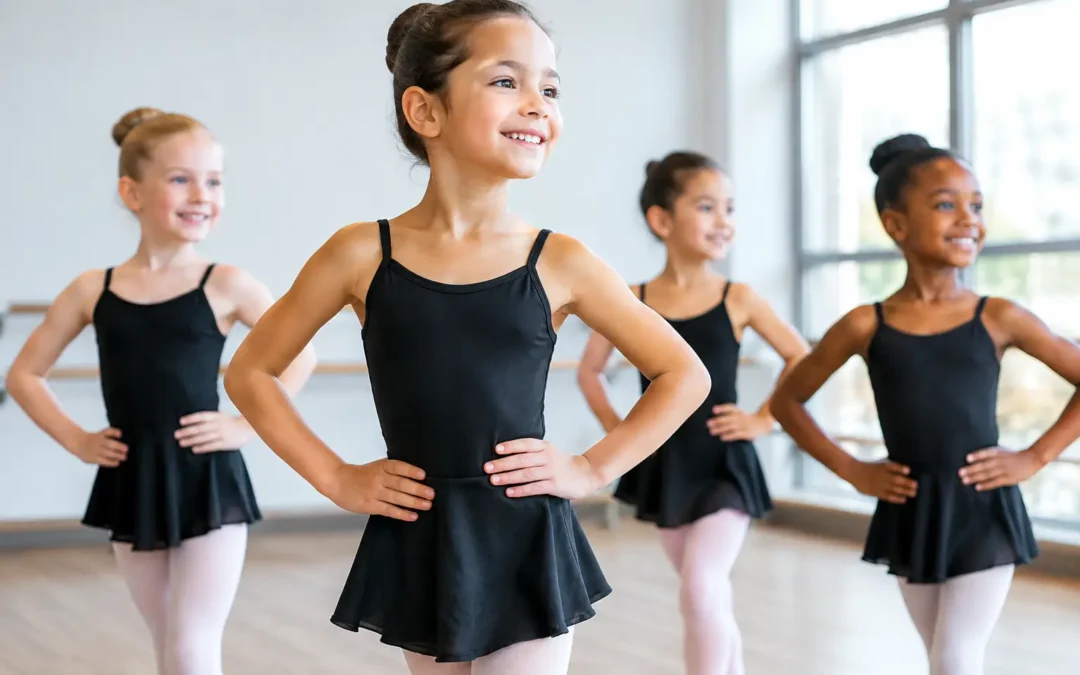
A child’s first dance class can begin with a small, brave moment: walking into an unfamiliar room, hearing new music and deciding to have a go. The best dance lessons turn that moment into something much bigger. They give children a place to move, make friends, learn discipline and feel the satisfaction of improving week by week.
For parents, choosing a class is about more than finding an after-school activity that fills an hour. It is about finding a safe, encouraging environment where your child is known, supported and challenged at the right pace. Irish dance offers all of this, with lively music, clear goals and opportunities that can grow with a dancer from their earliest steps through to performances and competition.
What children gain from dance lessons
Dance is active, creative and social all at once. Children develop coordination, balance, posture and stamina while learning to listen carefully, remember patterns and work as part of a group. In Irish dance, the music gives every movement a purpose. Dancers learn to keep time, practise precision and build a real sense of pride in what their bodies can achieve.
Confidence often grows quietly. A child who is hesitant in their first lesson may soon be volunteering to lead a warm-up, remembering a full routine or standing tall for a small performance. These are meaningful milestones. They show children that progress comes from patience, practice and the courage to keep trying when a step feels difficult.
The friendships matter too. A welcoming class brings together children who may be different ages, attend different schools or have very different personalities, but who share the experience of learning together. Team spirit is particularly powerful around displays, celebrations and competitions, where dancers encourage one another as well as working towards their own goals.
The right dance lessons start at the right level
A brilliant beginner class does not expect children to arrive with rhythm, flexibility or previous dance experience. It teaches the foundations carefully and makes room for questions, mistakes and repetition. This is especially important for younger children, who need structure without losing the fun that makes them want to return.
For pre-school dancers, sessions should feel playful and age-appropriate, using music, movement and simple activities to develop listening skills and coordination. At primary age, children are ready to learn more technique, routines and group awareness. Teen dancers may want a stronger physical challenge, the chance to perform, or a route into competition training.
There is no single correct reason to start. Some children want to dance because they have seen a show or heard Irish music. Others need an active hobby that feels different from school sport. Some are drawn to the performance pathway; others simply want a friendly weekly class. A good academy respects every starting point while providing a clear route forward for those who want to progress.
Progress should feel earned, not rushed
Irish dance has a rewarding structure. Dancers begin with the core skills and gradually build the control, musicality and fitness needed for more advanced work. There can be new steps to learn, performances to prepare for and, for dancers who choose it, a competition pathway with meaningful targets.
That structure is one reason families value dance training. Children can see what they are working towards. Yet progression should never mean pressure for its own sake. The pace depends on a child’s age, confidence, attendance and readiness. Some thrive when they are working towards a competition; others gain most from regular classes and local displays. Both experiences can build confidence and commitment.
What parents should look for in an Irish dance class
The atmosphere of a class matters as much as the timetable. Look for a teacher who can combine high standards with genuine encouragement. Children should understand that effort matters, while also feeling safe to ask for help and try again.
Practical reassurance matters too. Families should know who is teaching, how classes are organised, what their child needs to wear and what happens after the first session. DBS-checked staff and volunteers, clear communication and a well-managed class give parents confidence that their child is learning in a positive setting.
It is also worth asking how a school supports different ambitions. A child who wants to perform at a local event needs a different experience from one preparing for championship qualification, but both should receive thoughtful teaching. The strongest academies do not make families choose between a warm welcome and expert training. They provide both.
At Kane Irish Dance, beginner-friendly tuition sits alongside a clear development pathway led by experienced teachers, including a World Irish Dance Champion. Children can begin with a trial, build their skills through regular classes and explore displays, competitions or more advanced training when the time is right.
A first class should feel exciting, not intimidating
Many children are nervous before trying something new, even when they are eager to go. Parents can make the first experience easier by talking positively about having a go rather than needing to get everything right. Comfortable clothing, a drink and arriving with a little time to settle in can also help.
Children do not need specialist shoes before they know whether the class is for them. A well-run introductory session will explain what is needed and when. Starting simply removes a barrier for families and lets the child focus on the important part: enjoying the movement and meeting the group.
Afterwards, ask questions that invite a real answer. Instead of only asking, “Were you good?”, try “Which step did you enjoy?” or “What made you smile?” This keeps the focus on their experience rather than perfection. If they found it tricky, reassure them that every confident dancer began by learning one step at a time.
Dance can grow with your family
One of the joys of Irish dance is that it does not have to be limited to one age group or one type of learner. A child may start in a weekly class, gain confidence through a holiday club, then choose to perform with friends. A teenager may return after a break because they miss the music and community. Adults who have always wanted to try can join a beginner course without needing any previous experience.
Ceilí dance adds another social side to the tradition. It is a chance to move together, laugh, learn patterns as a group and enjoy the shared energy of the music. For adults especially, this can make starting feel far less daunting than they imagined.
The right choice depends on what your family needs now. A regular course offers routine and steady development. A trial class gives a child space to test the experience. A holiday programme may suit families who want an active, purposeful break. What matters is choosing a place where the next step feels welcoming.
A child does not need to be the loudest, the most flexible or the most experienced person in the room to belong in dance. They only need the opportunity to begin. Book a trial class when they are ready, and let their first few steps show you where confidence can lead.