
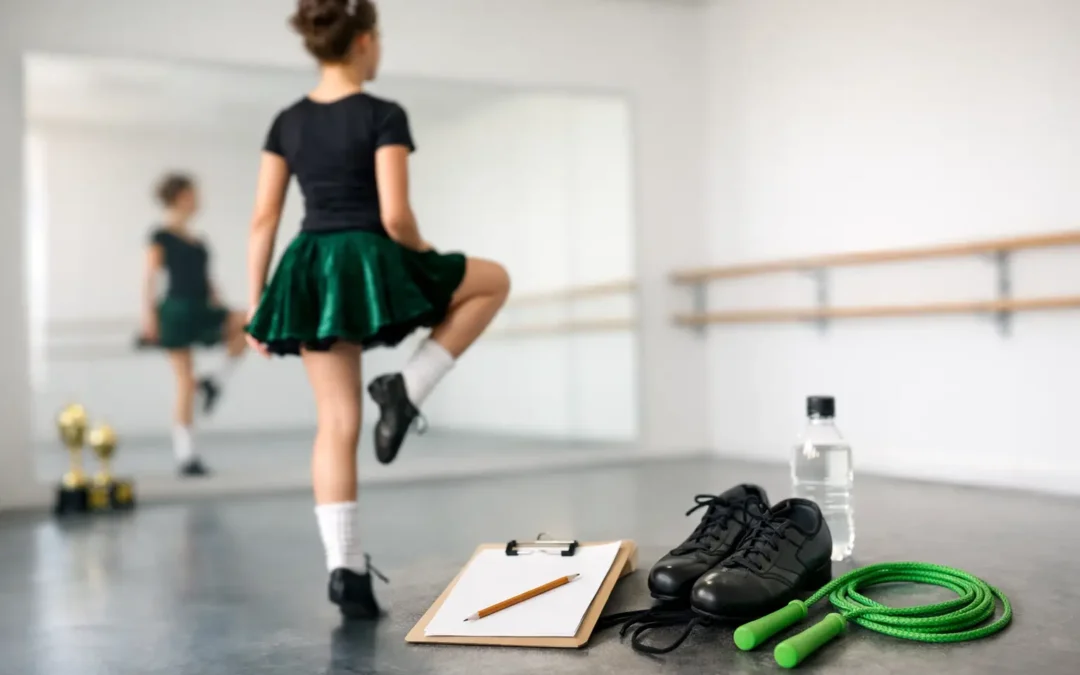
A feis morning can begin with polished shoes, a carefully packed bag and a dancer who suddenly feels nervous about steps they knew perfectly at home. That is where thoughtful Irish dance competition training makes a real difference. It is not just about practising harder before an event. It is about helping a dancer arrive prepared, proud and able to enjoy the experience, whatever the result.
For some children, competition is an exciting next step after class and local performances. For others, it becomes a longer-term goal with championship ambitions. Both journeys deserve expert teaching, steady encouragement and a plan that keeps confidence growing alongside technique.
What Irish dance competition training should build
Competition training has a clear purpose: dancers need to perform set material accurately, strongly and consistently in front of adjudicators. Yet the best preparation reaches further than the steps themselves. It develops musicality, posture, stamina, presentation, focus and the ability to recover when something does not quite go to plan.
A dancer may execute a difficult step beautifully in a familiar studio, then rush it in a busy hall because the music feels fast or they are watching another competitor. Regular competition-focused practice helps make technique dependable under pressure. This is built through repetition, certainly, but also through feedback that is specific, kind and useful.
At Kane Irish Dance, dancers are encouraged to see progress in more than medals. Learning to listen carefully, accept corrections, practise with purpose and step onto a stage with courage are achievements that carry into school, friendships and everyday life.
Start with strong foundations, not a rushed entry
It can be tempting to set a competition date as soon as a child says they would like to try one. Sometimes that is the right choice. Often, though, the better route is to allow enough time for basic technique to settle first.
Before entering, a dancer should be comfortable with their current steps, know how to begin and finish with confidence, and understand what is expected when waiting to dance. They do not need to be fearless or flawless. They do need a secure enough foundation that the experience feels challenging in a positive way rather than overwhelming.
This is especially important for younger dancers and complete beginners. A first feis should feel like an introduction to a wider dance community, not a test they can fail. A good teacher will advise whether a dancer is ready, which level is appropriate and what to prioritise between now and the event.
Technique comes before speed
In Irish dance, fast feet are exciting, but clean feet are more valuable. Dancers should learn to hold their posture, place their feet accurately, maintain turnout where appropriate and hear the rhythm before trying to push the pace.
Rushing can hide weaknesses for a while, but it makes consistency harder. Careful practice at a controlled speed allows a dancer to understand where each movement belongs. Speed can then be added gradually without losing shape, timing or confidence.
For parents, this can be reassuring to remember. Progress is not always measured by how many new steps a child learns in a month. Sometimes a quieter period of refining a reel or strengthening a basic movement is exactly what prepares them for better results later.
Build a weekly practice routine that children can sustain
Short, focused practice sessions are usually more productive than one long session full of frustration. The right routine depends on a dancer’s age, school timetable, current level and upcoming competition schedule. A young beginner may benefit from a few brief sessions each week, while an experienced championship dancer may need more structured conditioning and technical rehearsal.
Start with a warm-up that wakes up the body: gentle mobility, calf raises, controlled ankle work and light cardio can all help. Then practise one or two clear goals rather than attempting every dance at once. That might mean landing a particular rhythm evenly, holding strong arms throughout a set, or completing a full round without stopping.
Finish with something positive. A dancer who leaves practice feeling they have improved one detail is far more likely to return willingly tomorrow. If home practice is causing tears or arguments, pause and speak with the teacher. More pressure is rarely the answer; a simpler goal, rest day or different approach may be.
Practise performing, not only drilling
A competition does not feel like a lesson. Dancers may have one chance to perform, with music, spectators and other dancers nearby. Include occasional run-throughs at home or in class where the dancer starts from stillness, performs the whole piece and finishes properly.
This reveals practical issues that drills can miss: a dancer who forgets to breathe before starting, loses focus after a small mistake, or fades in the final bars. It also gives them a simple strategy for competition day: listen for the music, take their starting position, dance the next step they know and keep going.
Mistakes are part of performing. The skill is not pretending they never happen. It is learning not to let one missed beat take away the rest of the dance.
Support strength and stamina safely
Irish dance asks a great deal from growing bodies. Strong feet and ankles, core control, balance and cardiovascular fitness all support better dancing. However, competition preparation should always be age-appropriate and guided by sound teaching rather than copied from an adult athlete’s routine.
Dancers benefit from regular rest, enough sleep and sensible meals, especially in the days before a feis. Avoid suddenly adding intense training sessions because an event is approaching. Last-minute overtraining can leave a dancer tired, sore or less confident.
If a child has ongoing pain, persistent discomfort or a new injury, they should not simply push through it for the sake of a competition. Speak to the teacher and, where needed, seek appropriate medical advice. Missing one event can be disappointing; protecting a dancer’s long-term wellbeing matters more.
Prepare the practical details early
Much of a calm competition day is organised before the family leaves the house. Check the event information carefully, including venue, timings, entry requirements and the dancer’s competition numbers. Build in extra travelling time, particularly if it is a new venue or a larger event.
A useful dance bag often includes:
- Shoes, checked for fit and comfort
- Costume, accessories and any required hair items
- Competition numbers and safety pins
- Water, snacks and a light layer for waiting between dances
- A small towel or spare socks, depending on the day
These details may sound simple, but they reduce avoidable stress. It is also helpful to let the dancer take some responsibility for packing as they grow older. Knowing where their shoes and number are gives them a sense of ownership over their day.
Help your dancer manage nerves without adding pressure
Nerves usually mean that a dancer cares. Parents do not need to talk a child out of every anxious feeling. Instead, give it a name and a plan: butterflies are normal, everyone feels them sometimes, and we can use a few calm breaths before dancing.
Keep language focused on controllable actions. Rather than saying, “You must get a medal,” try, “Show your strong posture,” or, “Listen for the rhythm and enjoy your reel.” Results depend on many factors, including the size and standard of the competition. Effort, preparation and composure belong to the dancer.
After the performance, ask what they enjoyed or what felt better than last time before discussing placements. If they are disappointed, allow space for that too. A child does not need an immediate lesson about resilience while they are upset. A snack, a cuddle and a little time can be more helpful, followed later by a conversation about what to work on next.
Use feedback to set the next goal
Competition results offer information, not a final judgement on talent. A placement may reflect a strong performance, but it does not mean there is nothing left to develop. Equally, a result lower than hoped does not erase the progress a dancer has made.
Teachers can help translate feedback and observations into practical next steps. Perhaps the focus is stronger turnout, more elevation, sharper rhythm, improved posture or greater stamina. One or two priorities are enough. Trying to correct everything at once can make a dancer self-conscious and take the joy out of training.
This is where a structured academy pathway is valuable. Dancers can progress from their first classes and displays into competitions at a pace that suits their readiness, with goals that feel exciting rather than intimidating.
Keep the bigger picture in view
Irish dance competition training can lead to remarkable achievement, from a confident first feis to championship qualification. But its lasting value is often found in the habits formed along the way: turning up, listening, practising, supporting teammates and trying again after a difficult day.
The next competition is an opportunity, not a verdict. Give your dancer expert guidance, enough preparation and the reassurance that they are valued for more than a result. When they step out to dance knowing their family and teachers believe in them, they have already gained something worth carrying forward.