
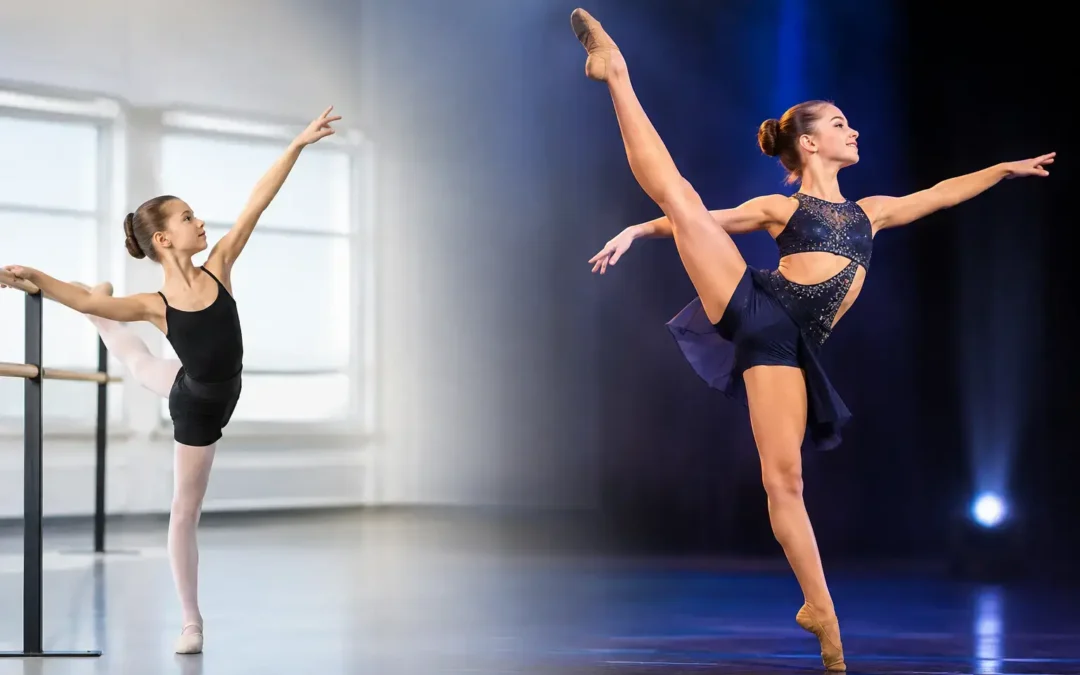
A first competition is rarely defined by the result. It is the moment a dancer fastens their shoes, steps into a busy venue and realises that the practice they have done week after week can carry them somewhere new. Competition dancer journeys are built from those moments: the quiet determination at class, the reassurance of a teacher, the proud smile from a parent and the courage to perform when it counts.
For some children, competition becomes a long-term goal. For others, entering one feis is enough to build confidence that carries into school, friendships and everyday life. Both are valuable. The right path is not about pushing every dancer towards the same finish line; it is about offering a clear, supported route for those who are ready to try.
What competition dancer journeys really involve
Irish dance competitions can look exciting from the audience: bright costumes, lively music, polished steps and a room full of talented young performers. Behind that performance is a process of steady learning. Dancers develop technique, rhythm, posture, stamina and musicality over time, while also learning how to listen to feedback and keep going after a tricky class.
A competition journey begins well before an entry form is completed. It starts when a dancer learns to take pride in a step, remember a sequence and practise with purpose. Beginner dancers need strong foundations before they are asked to perform under pressure. This is why patient, age-appropriate teaching matters so much.
At Kane Irish Dance, progression is treated as something earned through readiness, rather than rushed. A dancer may begin with a trial class, move through beginner skills and displays, then work towards local competitions when they have the steps, confidence and maturity to enjoy the experience. For families, this creates a pathway that feels exciting without becoming overwhelming.
From first steps to a first feis
Confidence comes before competition
A dancer does not need to be the loudest in the room to enjoy competition. Many children who are naturally quiet find confidence through the structure of dance. They know where to stand, what their steps are and what they have practised. Each small success makes the next challenge feel possible.
Before a first competition, a good teacher will help a dancer understand what to expect. This may include practising how to enter and leave the stage, dancing in front of classmates, listening for the correct music and recovering calmly if they make a mistake. These details reduce uncertainty and allow the dancer to focus on doing their best.
Parents can help by keeping early goals simple. Rather than focusing on a medal, celebrate getting up on stage, remembering the dance, smiling afterwards or trying again following a wobble. A placement is a lovely achievement, but courage and commitment are achievements too.
Technique gives dancers something to trust
Competition brings a useful focus to training. Dancers begin to understand why their turnout, pointed toes, timing and posture matter. They are no longer simply learning a routine; they are learning how to present it with control and confidence.
That does not mean every class should feel intense. Children still need enjoyment, friendship and room to be themselves. The strongest dancers often come from environments where high standards sit alongside encouragement. They are corrected clearly, praised honestly and given goals that match their stage of development.
In Irish dance, progress is rarely a straight line. A dancer can have a brilliant rehearsal one week and find the same steps difficult the next. Growth comes from returning to the work, listening carefully and trusting that repetition has value.
Choosing the right level of commitment
Not every family wants competition to become the centre of the week, and it does not have to be. Some dancers enjoy one or two events each year alongside school, other activities and family life. Others become more ambitious, choosing extra training, performance opportunities and a route towards higher-level competition.
The best choice depends on the dancer’s enthusiasm, age, confidence and wider commitments. It also depends on practical considerations such as travel, entry costs, uniforms and time for practice. Honest conversations with a teacher can help families decide what feels manageable and worthwhile.
For dancers who do want to progress, structured training creates a meaningful sense of direction. They can work towards new grades, stronger technique, team displays, solos and, for those with the required standard and commitment, championship qualification. Each stage should feel like a next step, not a leap too far.
The lessons that last beyond the results
Competition teaches dancers how to prepare for a moment that matters. They learn that being ready is not about perfection. It is about arriving knowing they have practised, listened and given themselves the best chance to perform well.
They also learn how to respond to results. Some days bring a trophy or a personal best. Other days bring disappointment, especially when dancers know they can do better. With the right support, both experiences build resilience. A dancer can learn to be pleased for a friend, accept feedback graciously and return to class with fresh determination.
This is one of the most powerful parts of a healthy competition culture. Success is not measured only by where a dancer places. It can be seen in the child who once hid at the back but now walks confidently onto the stage, or the teenager who encourages a younger dancer before their turn.
Friendship matters here too. Competition days are often full of shared hair preparations, warm-ups, nervous laughs and cheers from teammates. Dancers learn that individual performance and team spirit can belong together. A supportive school community makes the experience warmer for dancers and parents alike.
How parents can support a positive experience
Parents do not need to know every step or competition rule to be a brilliant source of support. Calm encouragement makes a real difference, especially when a child is nervous. Try to keep competition day practical and predictable: allow plenty of time, bring water and snacks, and let the dancer know that their effort matters more than a perfect outcome.
It also helps to avoid turning the journey into constant comparison. Every dancer develops at a different pace. One child may gain confidence quickly on stage, while another needs more time to feel secure with new steps. Comparing results can take attention away from the progress that is genuinely happening.
After an event, ask questions that invite reflection. What did you enjoy? Which dance felt strongest? What would you like to practise next time? These conversations help a dancer build ownership of their goals instead of feeling that they are competing only for someone else.
When a dancer has a difficult day
Even experienced dancers can forget a step, miss the music or feel disappointed by a result. The most helpful response is calm and kind. Let them feel what they feel, then remind them that one dance does not define their ability or future.
Teachers can turn a difficult moment into a practical plan: perhaps a section needs more repetition, nerves need managing through mock performances, or the dancer simply needs rest before the next goal. Resilience is not pretending disappointment does not hurt. It is learning that it can be handled.
A journey worth taking at the right pace
The most memorable competition dancer journeys are not the ones that move fastest. They are the ones where dancers feel safe to try, proud of the work they have done and supported whether they finish first or simply finish stronger than before.
If your child is showing an interest in performing or competing, begin with the next manageable step. A welcoming class, skilled teaching and a community that celebrates effort can give them far more than a dance result: a place to grow, belong and discover what they are capable of.