
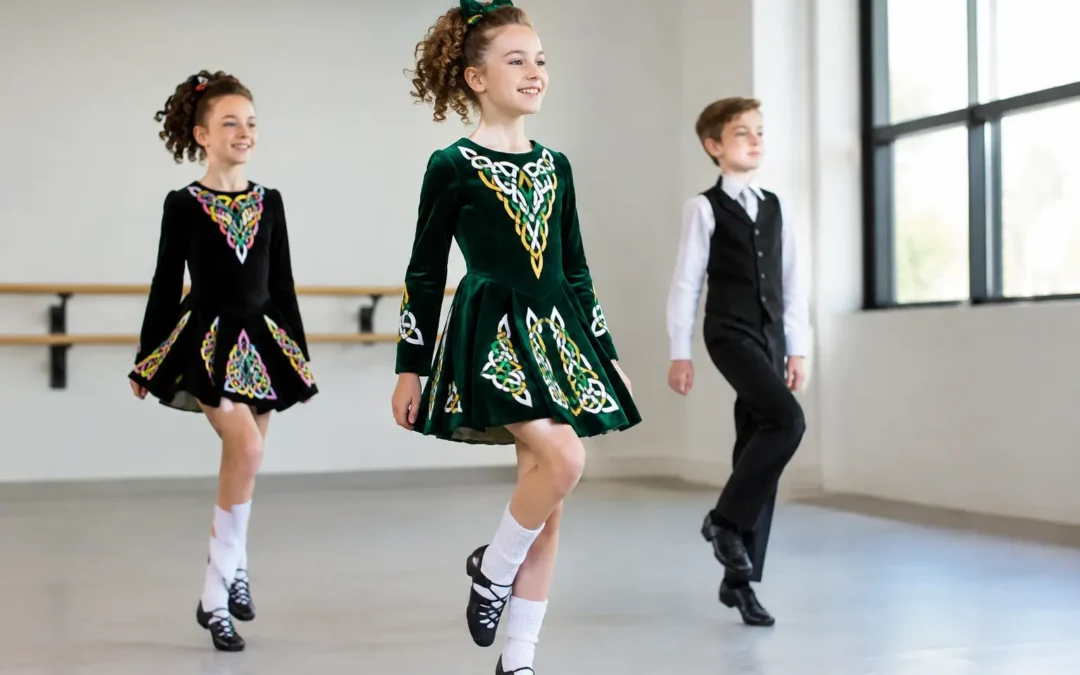
The first time a child hears the beat of Irish dance shoes, something shifts. They are not simply copying steps: they are listening, concentrating, finding their rhythm and becoming part of a group. For families looking for Irish dance West Yorkshire, that combination of energy, structure and belonging is often exactly what makes a class feel different.
Irish dance can begin as a joyful weekly activity and grow into something much more. It gives young dancers a positive place to move, make friends and build confidence, while offering clear goals for those who want to perform, compete or work towards championship standard. Adults can start for the very same reasons, without needing previous dance experience or childhood training.
What makes Irish dance a brilliant choice for families?
Irish dance is full of character. The music is lively, the movement is precise and every new step gives dancers something tangible to practise. Children learn to work independently while also moving in time with others, which helps develop focus, resilience and a real sense of responsibility.
It is physically active without feeling like a chore. Classes support coordination, posture, balance, musicality and stamina, but the atmosphere should remain encouraging. A dancer may need time to master a new rhythm or remember a sequence, and that is part of the learning. Progress comes from regular practice, patient coaching and the pride of noticing that a step which once felt difficult now feels natural.
For parents, the value often reaches beyond the studio. Many dancers become more comfortable speaking up, trying unfamiliar things and committing to a goal. They also form friendships with children who share their enthusiasm. The result is a hobby with purpose – one that celebrates effort as much as achievement.
Irish dance in West Yorkshire with a route forward
Not every dancer wants the same outcome, and they should not have to. Some children are happiest learning new routines, enjoying holiday clubs and taking part in a local display. Others discover a love for performing in front of an audience. For ambitious dancers, structured training can lead towards feiseanna, championship qualification and major competition opportunities.
A good academy makes that pathway clear without making beginners feel that competition is compulsory. The first priority is learning safely and enjoying the experience. From there, dancers can take on more challenging work when they are ready, whether that means practising hard-shoe rhythms, joining a performance team or preparing for competitive events.
At Kane Irish Dance, teaching is led with both high standards and a genuine understanding of what it feels like to be new. Expert guidance from a World Irish Dance Champion gives families confidence that dancers are learning sound technique from the beginning. Just as importantly, children are supported as individuals, not compared with the dancer standing beside them.
Starting at the right age and level
Pre-school Irish dance introduces very young children to movement, music and simple rhythms in an age-appropriate way. At this stage, the aim is to build confidence, listening skills and enjoyment. Children learn through repetition, imagination and celebration of small wins.
For children aged five to twelve, classes introduce the foundations more formally. Dancers begin to learn technique, posture, timing and routines, while still benefiting from a welcoming group environment. This is often the ideal age to try a first class, even if a child has never danced before.
Teen dancers may be complete beginners, returning after time away or ready to work towards a serious goal. A thoughtful teen programme recognises that confidence matters. Nobody wants to feel left behind when starting something new, so tuition should offer a clear route into the class and challenges that feel achievable.
Adults deserve that same welcome. Adult beginner Irish dance is not reserved for people who can already point their toes or remember routines quickly. It is a chance to move, laugh, learn and enjoy a new skill in a friendly setting. Some adults come for fitness, others for a connection to Irish culture or simply the satisfaction of doing something for themselves.
What should a first Irish dance class feel like?
A first session should feel organised, reassuring and enjoyable. New dancers are usually introduced to basic positions, simple steps and the rhythm of the music. They will be shown what to do, given time to have a go and encouraged to ask questions. No one is expected to arrive knowing the terminology or getting every movement right straight away.
Parents often worry about shoes before their child has even taken the first class. There is no need to rush into buying specialist footwear. Beginner sessions commonly allow dancers to start in suitable comfortable footwear while they decide whether Irish dance is right for them. Once a dancer is settled, the teacher can advise on the appropriate shoes and kit for their level.
It also helps to choose clothes that allow easy movement and bring a drink. Beyond that, curiosity and a willingness to try are enough. A trial class or short induction appointment can be especially helpful for families who would like to understand the options before committing to a course.
Performance, competition and ceilí: choosing the right experience
Irish dance has more variety than many newcomers expect. Solo dancing develops individual technique and confidence, with soft-shoe and hard-shoe styles offering different challenges. Hard shoes create the distinctive percussive sound that many people recognise, while soft-shoe dancing has a lighter, more flowing quality.
Ceilí dancing brings dancers together in pairs and groups. It is sociable, energetic and ideal for developing teamwork, spatial awareness and a sense of shared fun. For children who enjoy being part of a team, it can be a wonderful complement to solo work. For adults, ceilí provides an approachable way to enjoy traditional social dance without the pressure of performing alone.
Performance opportunities can give dancers a memorable goal. Preparing for a display teaches commitment, presentation and how to recover if something does not go exactly to plan. Competitions bring another kind of learning: dancers gain feedback, learn to manage nerves and discover that progress is not always measured by a medal.
There is a trade-off to consider. Competitive training requires additional practice, travel and commitment from the whole family, so it will not suit everyone at every stage. A strong academy respects that choice. Recreational dancers deserve excellent teaching and exciting opportunities too, while competitive dancers need the focused coaching and progression plan required to reach their potential.
How to choose an Irish dance class with confidence
The right class is about more than a convenient day or location. Ask how beginners are introduced, whether staff and volunteers are appropriately checked, and what support is available as a dancer progresses. Parents should feel comfortable asking about class structure, performance opportunities and the balance between enjoyment and discipline.
Look for teaching that is positive but purposeful. Encouragement matters, yet children also benefit from clear expectations: arriving ready to learn, listening carefully, practising when appropriate and treating fellow dancers with kindness. This balance helps create a class culture where children feel safe to try, make mistakes and improve.
It is worth considering the practical fit as well. A younger child may thrive in a short, playful class, while an older dancer might want a programme with more technical challenge. If your child is shy, an initial trial can reveal far more than a timetable ever could. Watch how they respond to the music, the teacher and the group. Often, the answer is written across their face on the journey home.
A first step that can become a lasting passion
The best time to try Irish dance is not when a child is already confident, flexible or certain they will be brilliant. It is when they are ready for a welcoming new experience. Book a trial class, arrange a short induction appointment and let them hear the music for themselves. One set of small, determined steps may be the beginning of stronger confidence, lasting friendships and a place where they truly feel they belong.