
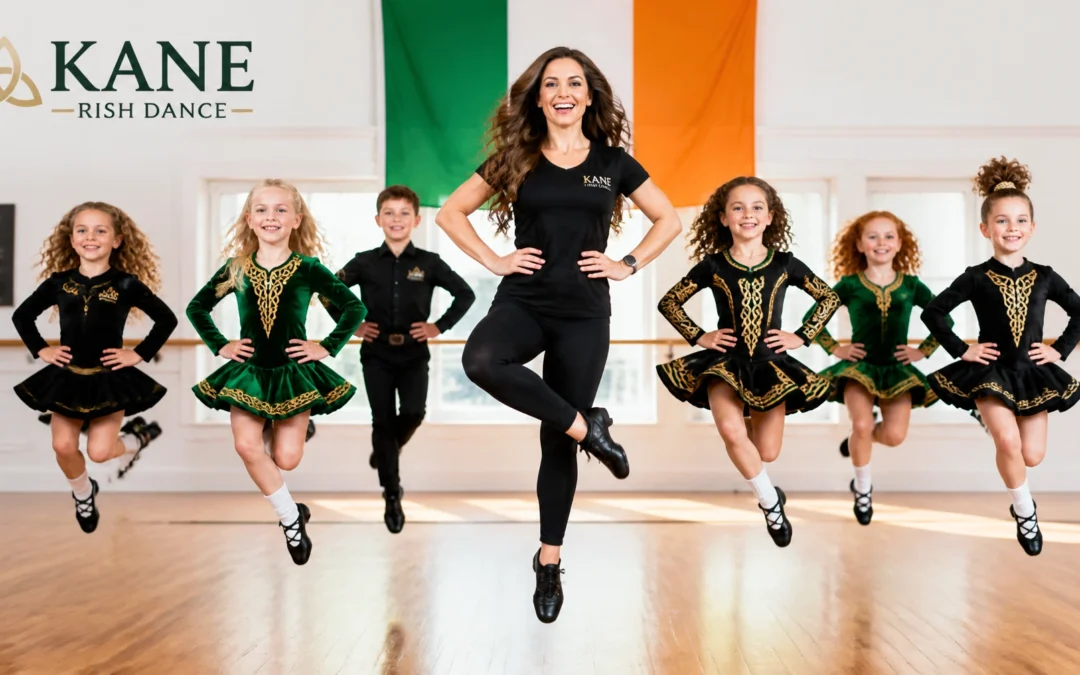
Irish dance is much more than quick feet and lively music. It is a vibrant part of Irish culture, shaped by centuries of community, celebration and storytelling. From village gatherings in Ireland to dance schools around the world, traditional Irish dance continues to bring people together.
For families in Huddersfield and across West Yorkshire, it also offers something very special: a fun, active and screen-free way for children to build confidence, make friends and connect with a rich cultural tradition.
Where Did Irish Dance Begin?
The exact beginnings of Irish dance are difficult to trace, but dancing has been part of Irish life for many centuries. Early communities used music and movement during seasonal celebrations, religious events and social gatherings.
As Ireland’s history developed, so did its dance traditions. Circle dances, group dances and lively social steps became part of village life. By the 17th and 18th centuries, travelling dance masters visited towns and villages, teaching children and adults in homes, barns and community spaces.
These teachers helped shape the precise footwork and upright posture that many people recognise today. In places where space was limited, dancers learned to keep their movements controlled and focused. Every step had purpose, every rhythm mattered and every performance told part of a much bigger story.
That combination of discipline, rhythm and community is what makes Irish dance so memorable.

Céilí, Set Dancing and Step Dancing
When people hear the words Irish dance, they may picture a solo dancer performing rapid footwork. This is one important part of the tradition, but Irish dancing includes several different styles.
- Céilí dancing: Group dances performed in lines, circles or sets, often at social gatherings.
- Set dancing: Dances for groups of couples, influenced by European social dances and adapted to Irish music.
- Step dancing: Solo or team dancing known for precise footwork, strong posture and rhythmic movement.
Each style has its own character, but all are connected by music, timing and shared participation. This is why Irish dance can suit so many families. Some children love the excitement of performing solo, while others enjoy the friendship and teamwork of community dance classes.
To explore the basics in more detail, read our guide to Traditional Irish Dance 101: A Beginner’s Guide to Mastering History and Rhythm.
Irish Dance and Cultural Identity
During the Gaelic cultural revival of the late 19th and early 20th centuries, Irish people worked hard to protect and celebrate their language, music, sport and dance. Irish dance became an important expression of national identity and cultural pride.
The word feis traditionally described a cultural gathering involving music, storytelling and dance. Today, a feis is often associated with Irish dance competitions, where dancers can perform, meet other families and celebrate their progress.
For Irish families living outside Ireland, dance has also offered a powerful connection to home and heritage. For families without Irish roots, it provides a welcoming way to discover one of the world’s most exciting cultural traditions.
Irish dance remains both historic and modern. It respects the past while continuing to evolve through competitions, performances and international events.
Keeping Tradition Alive at Kane Irish Dance
At Kane Irish Dance, tradition comes to life through every lesson. The school is led by Rebecca, the World Champion owner and instructor, whose expertise and passion inspire dancers of all ages.
Rebecca helps pupils understand that Irish dance is not simply about copying steps. It is about listening to the music, developing focus and showing pride in every movement. Children learn in a supportive environment where effort is celebrated and progress is encouraged.
Kane Irish Dance is registered with the CRN organisation Ireland, giving pupils the opportunity to work towards grades, badges and awards. Children who want to take their dancing further can also explore the exciting world of competition.

What Can Children Gain from Irish Dance?
For parents, choosing an activity is about more than keeping children busy. It is about helping them grow. An Irish dance class can support children in many positive ways:
- Confidence: Performing steps in front of others helps children feel proud of their achievements.
- Discipline: Learning routines encourages patience, concentration and regular practice.
- Fitness: Irish dance develops stamina, coordination, balance and strength.
- Friendships: Group lessons create a friendly space where children can learn together.
- Achievement: Grades, badges, awards and competitions provide clear goals to work towards.
- Cultural awareness: Children experience music, traditions and stories from Irish heritage.
For busy families, it is also a positive, screen-free activity that gives children time to move, socialise and enjoy themselves.

A Tradition for Today’s Families
Whether your child is fascinated by music, enjoys performing or simply needs a new after-school activity, Irish dance offers an exciting place to begin. Children do not need previous experience to take their first steps.
At Kane Irish Dance, families in Huddersfield and across West Yorkshire can discover a welcoming community, structured progression and the unforgettable energy of traditional Irish dance.
For more ideas about getting started, read How to Learn Irish Dance and Connect Your Child with Centuries of Tradition.
Start Your Irish Dance Journey
The history of Irish dance is filled with music, movement, resilience and community. By choosing to learn Irish dance, your child becomes part of a tradition that has travelled across generations and around the world.
Ready to see what an Irish dance class could offer your child? Contact Stephanie, the secretary for induction bookings, to arrange a free 15-minute non-obligatory induction.
Call Stephanie on 01484 958726 and take the first step towards confidence, friendship and a lifelong love of Irish dance.