
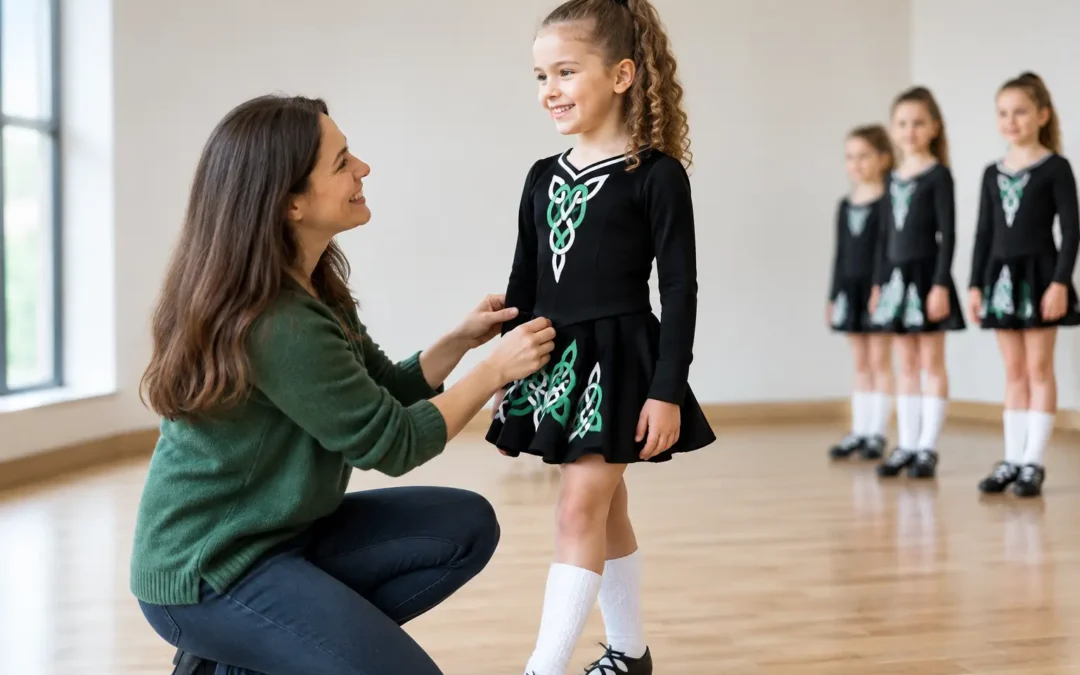
The first class often begins with a child standing a little taller than usual, listening carefully for the music to start and trying to remember which foot comes first. For parents, it can feel equally new. This Irish dance parent guide is here to make those early weeks clearer, calmer and more enjoyable – whether your child wants a lively after-school activity, dreams of performing, or is simply ready to find their people.
Irish dance offers much more than steps and routines. Children build coordination, musicality and fitness, but they also learn how to keep going when a step feels tricky, work respectfully within a group and celebrate progress that has been earned. The best start is not about getting everything right. It is about helping your child feel safe, capable and excited to come back.
What happens in a beginner Irish dance class?
A good beginner class is structured, welcoming and active. Children are usually introduced to basic posture, timing and the foundations of soft-shoe dancing before being asked to learn longer steps. They will practise hopping, pointing, crossing their feet and travelling with control, often returning to the same skills across several weeks. Repetition is purposeful: it helps movements become familiar without making the learning feel overwhelming.
Expect your child to be challenged, but not expected to know anything before they arrive. Teachers break skills into manageable pieces and give dancers time to watch, try and improve. Some children immediately throw themselves into the room; others observe quietly for the first few lessons. Both responses are completely normal.
Irish dance is disciplined, and that is part of its value. Children learn to listen, wait their turn and focus on detail. Yet class should still feel full of encouragement. A child who leaves pleased that they remembered one new rhythm or completed a sequence independently has made a meaningful start.
Soft shoes come first
Most beginners start in soft shoes, although plain, comfortable footwear may be suitable for a trial class depending on the teacher’s guidance. There is no need to buy specialist shoes before you know that your child enjoys the experience. A properly fitted pair can come later, once they are attending regularly and their teacher has advised on the right style and size.
Hard shoes are exciting because of the sound they create, but they are not an immediate requirement for every new dancer. They are usually introduced when a child has developed enough control, strength and understanding of rhythm to use them safely and confidently. Starting slowly protects technique and keeps the early experience positive.
Irish dance parent guide: what your child really needs
The practical side of starting is refreshingly simple. Your child needs clothes they can move in, hair secured away from their face and a drink of water. Leggings, shorts, a T-shirt or a comfortable sports outfit are all sensible choices. Avoid anything overly loose that makes it hard for a teacher to see leg and foot positions.
Arriving a few minutes early helps, particularly in the first term. It gives children time to settle, use the toilet, find their place and walk into class without feeling rushed. If they are anxious, keep your goodbye warm and confident. A long, worried farewell can accidentally suggest that there is something to fear.
As classes progress, there may be academy uniform, shoe and hair expectations for performances or competitions. These are worth understanding, but they do not need to become a concern on day one. Ask questions when the time comes, buy only what is required and remember that every experienced dancer once began in ordinary class clothes, learning their first steps.
Attendance matters more than perfection
Irish dance skills build over time. Missing the occasional lesson is unavoidable – children get ill, families have commitments and school life can be busy. However, regular attendance makes a noticeable difference because each class builds on the last. It also helps friendships grow. A child who sees the same familiar faces each week is more likely to feel that they belong.
If your child has missed a class, resist the urge to turn the following week into a stressful catch-up session at home. Let the teacher know if needed and allow your child to rejoin at their own pace. Most beginner work revisits core movements often enough for dancers to regain confidence quickly.
Supporting confidence without adding pressure
Parents have a powerful influence on how children interpret a challenge. After class, try questions that invite them to notice their own experience: “What did you enjoy most?” “Which bit felt easier today?” or “Was there a step you would like to try again next week?” These open a conversation without demanding a perfect report.
Try to avoid asking whether they were the best, whether they got every step right or whether they are ready for a competition. Irish dance can offer wonderful achievement opportunities, but children progress at different speeds. A dancer may need time to develop balance, confidence or stamina before the next goal feels right.
Praise effort specifically. “You kept practising even when that rhythm was difficult” is more helpful than a general “Well done”. It teaches children that improvement is something they can influence. It also gives them permission to make mistakes, which is essential in any activity that asks them to perform in front of others.
Home practice can be useful once a teacher has given clear guidance, but it should be short and manageable. Five focused minutes of practising a known step is often more valuable than a frustrated half-hour. Make space for it when your child is rested, and stop before it becomes a battle. Their enthusiasm is worth protecting.
Friendship, belonging and the quieter child
Many parents choose Irish dance because they want their child to be active. They soon discover that the friendships matter just as much. Classes bring together children who are working towards shared goals, from remembering a simple reel to preparing for a display. There is real joy in cheering for a classmate who has finally mastered a difficult section.
For a quieter child, belonging may take longer. They may prefer to stand near the edge at first, speak little on the journey home or say they do not know anyone. Give that process time. Consistent classes, a familiar teacher and small moments of success can make an enormous difference.
If anxiety continues, speak privately with the teacher. An experienced academy will want to know what helps your child settle, whether that is arriving early, standing near a particular friend or having a clear explanation of what will happen in class. Support works best when parents and teachers are on the same side.
Performances and competitions: choosing the right path
Not every child who starts Irish dance wants to compete, and they do not have to. Performance opportunities can be a brilliant confidence-builder for children who enjoy being part of a team, while competitions give ambitious dancers a clear goal and detailed feedback on their development. Both can be rewarding. Neither should be rushed.
A display may involve learning group routines, attending rehearsals and wearing a particular costume or uniform. Competitions, often called feiseanna, can require additional preparation, entry fees, travel and a stronger commitment to practice. Parents should be clear about the practical commitment before saying yes, especially where weekends and family budgets are concerned.
The right time depends on the dancer. Some children are motivated by a date in the diary; others need longer to become comfortable in class before performing publicly. Listen to your child, take guidance from their teacher and choose the route that supports their confidence rather than stretching it too far.
Achievement in Irish dance is not limited to medals or championship qualification. It can be the child who once hid behind a parent walking confidently into class, the teenager helping a younger dancer remember a step, or the beginner who learns that disciplined practice pays off.
Building a positive routine around dance
Dance works best when it fits into family life rather than taking it over. Keep a simple routine around class day: a filling snack after school, comfortable clothes packed in advance and enough time to arrive without rushing. As training becomes more regular, good sleep and balanced meals will support energy and concentration far better than last-minute pressure.
Be realistic about your family’s capacity. A child can love Irish dance and still need one quiet evening at home. Equally, a child who asks for more challenge may be ready for an additional class, a holiday programme or a performance group. Review the balance from time to time rather than assuming the first arrangement must stay the same forever.
At Kane Irish Dance, families can begin with an approachable trial and then choose a pathway that suits their child, from first steps to performance and competitive ambitions. The most valuable thing you can bring is not dance knowledge. It is steady encouragement, curiosity and the reassurance that your child is allowed to learn one step at a time.