
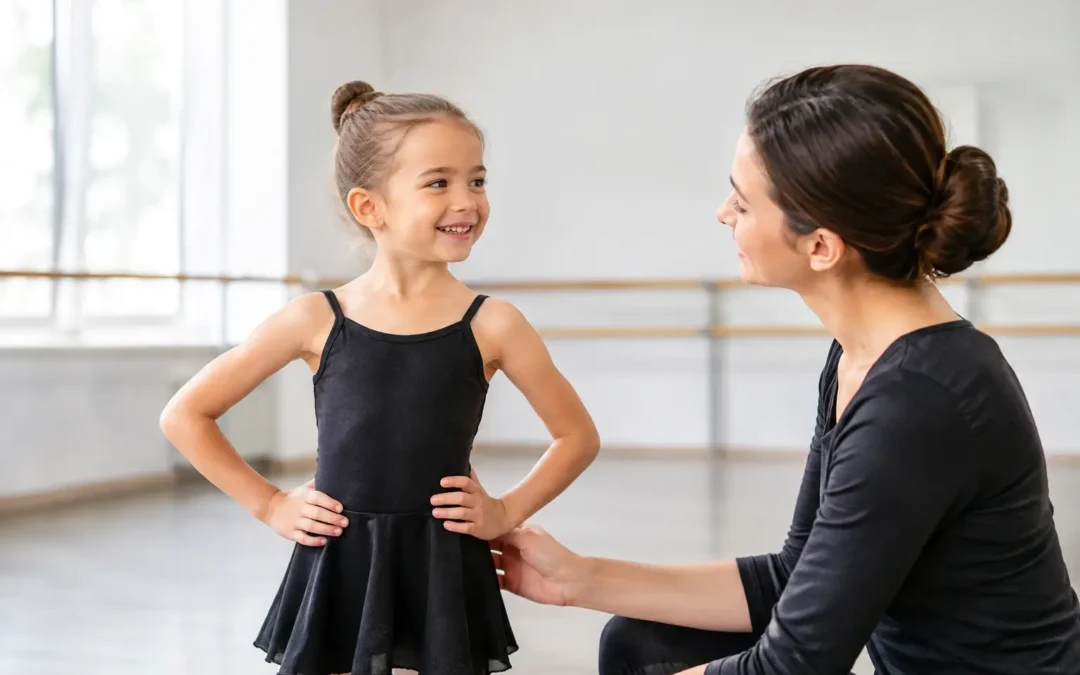
A child has finally remembered a tricky reel step, then looks up to see whether anyone noticed. That moment is where children’s dance feedback matters most. The right words can help a young dancer feel proud of their effort and ready to try again. The wrong words, even when well meant, can make a correction feel like failure.
At Kane Irish Dance, feedback is part of learning, not a judgement on a child’s ability. Whether a dancer is taking their first pre-school steps, preparing for a display or working towards competition, they need clear direction alongside genuine encouragement. Progress in Irish dance comes through repetition, patience and brave little attempts.
Why children’s dance feedback shapes more than technique
Dance asks children to be seen. They may be learning unfamiliar movements, working with music, remembering patterns and performing in front of friends or family. For some children, that is exciting from day one. For others, it takes time to feel comfortable joining in, holding their posture or dancing without watching everyone else.
Helpful feedback gives a child something steady to hold on to. It tells them what worked, what to try next and, crucially, that needing practice is normal. Rather than hearing, “That was wrong,” they can hear, “Your rhythm was strong. Now let’s make that last step land a little more quietly.” The correction is still there, but so is a reason to believe they can achieve it.
This approach develops qualities that reach beyond the studio: concentration, resilience, listening skills and the confidence to respond positively when something feels difficult. A child who learns that feedback is guidance rather than criticism is better placed to keep trying at school, in sport and in everyday life.
What useful feedback sounds like in a dance class
The best feedback is specific. “Well done” is lovely to hear, but it does not always tell a child what they should repeat. A teacher might praise a dancer for remembering the sequence, keeping their arms by their sides, finding the beat or returning to the line calmly after a mistake. Those details help young dancers understand that success is built from small, repeatable actions.
It also needs to be timely. For a beginner, a short correction in the moment is usually more useful than a long explanation at the end of class. Young children especially benefit from one clear focus at a time. If they are trying to remember a new dance, correct turnout, timing, posture and arm position all at once can feel overwhelming. A skilled teacher chooses the most important next step.
The language should match the dancer’s age and experience. A pre-school dancer may respond brilliantly to an imaginative cue such as “grow tall like a sunflower”. A child learning their first hard-shoe rhythm may need to clap it first, then try it slowly. An experienced competitor may be ready for more detailed feedback on precision, presentation and stamina. High standards and warmth can sit together.
Praise effort without making every attempt perfect
Children deserve to feel proud, but they also need honest guidance. Telling a dancer that every run-through was perfect does not prepare them for the reality of learning a demanding skill. Instead, recognise what they did well and name the next achievable improvement.
Try phrases such as: “You kept going even when that step felt hard,” “I could see you listening for the music,” or “Your first two steps were really sharp – let’s work on finishing the last one.” This makes effort visible while keeping the goal practical.
Avoid tying praise only to natural talent. Comments such as “You’re a born dancer” can sound positive, yet they may make a child worry about losing that label when they struggle. “You practised carefully and it showed” gives them more control over their own progress.
Correct privately when confidence is fragile
Group feedback can be motivating when it celebrates teamwork, musicality or a class achievement. However, a child who is upset, anxious or repeatedly finding a step difficult may need a quieter word. A brief individual demonstration, a chance to stand near the teacher or a simple reminder after class can protect their confidence.
This does not mean avoiding corrections. It means delivering them with care. Every dancer should know that they belong in the class while they are learning.
How parents can support feedback at home
Parents do not need to become dance teachers. In fact, trying to correct every detail at home can create pressure or contradict what the child has been taught in class. Your most valuable role is to be an interested, reassuring supporter.
After class, choose questions that invite your child to reflect rather than forcing them to perform. “What did you enjoy today?” is often a better starting point than “Did you get it right?” You could ask which step felt easier, what they would like to practise next time, or whether anyone helped them during class. Their answer may be short, especially after a busy school day, and that is fine.
When practice has been suggested, keep it manageable. Five focused minutes of rhythm, posture or a short sequence can be far more productive than a long session when a child is tired. Make space for breaks, laughter and the occasional wobbly attempt. Consistency matters more than perfection.
It is also helpful to be careful with comparisons. Children develop at different speeds, particularly when they are growing, gaining strength or finding their confidence in a new environment. Another dancer may have started earlier, practised a particular skill more often or simply be having a good day. The most meaningful comparison is with your child’s own previous attempt.
When feedback feels difficult to hear
Sometimes a child may come home disappointed because they were asked to repeat a step, were not chosen for a particular position, or saw another dancer receive praise. Those feelings deserve acknowledgement before problem-solving. “I can see why that felt disappointing” gives them room to be honest.
Then help them separate a single moment from their identity as a dancer. Not being ready for one challenge does not mean they are not good at dance. It means they have a clear area to develop. A useful question is, “What is one thing you can try next class?” This turns disappointment into a plan without dismissing it.
If your child seems persistently worried, reluctant to attend or confused by feedback, speak with their teacher. Good communication between families and the dance school helps everyone understand what support will work best. Some children need a smaller goal, some need more repetition, and some simply need time to settle into a new class.
Feedback for performances and competitions
As dancers move towards displays, feiseanna or championship pathways, feedback naturally becomes more detailed. Teachers may focus on technique, timing, turnout, stamina, expression, stagecraft and how a dancer responds under pressure. This is part of preparing young people for meaningful achievement.
The balance still matters. A performance is not only an assessment of what needs improving. It is an opportunity to celebrate courage, commitment and progress. After an event, allow a child to enjoy the experience before analysing every detail. They may be proud of remembering their dance, making new friends backstage or walking on stage despite nerves.
For ambitious dancers, it helps to frame teacher feedback as a training plan. A note about stronger posture or cleaner rhythm is not a verdict. It is useful information for the next stage of development. Competitive dance demands discipline, but it should also leave room for enjoyment and pride.
A simple standard to remember
The most effective feedback leaves a child knowing three things: what they did well, what they can work on and that they are supported while they learn. That applies to first-timers in soft shoes and experienced dancers chasing a personal best.
When children feel safe to make mistakes, they are far more likely to take the risks that lead to real progress. Notice the small wins, trust the process and let every correction be an invitation to try one more time.