
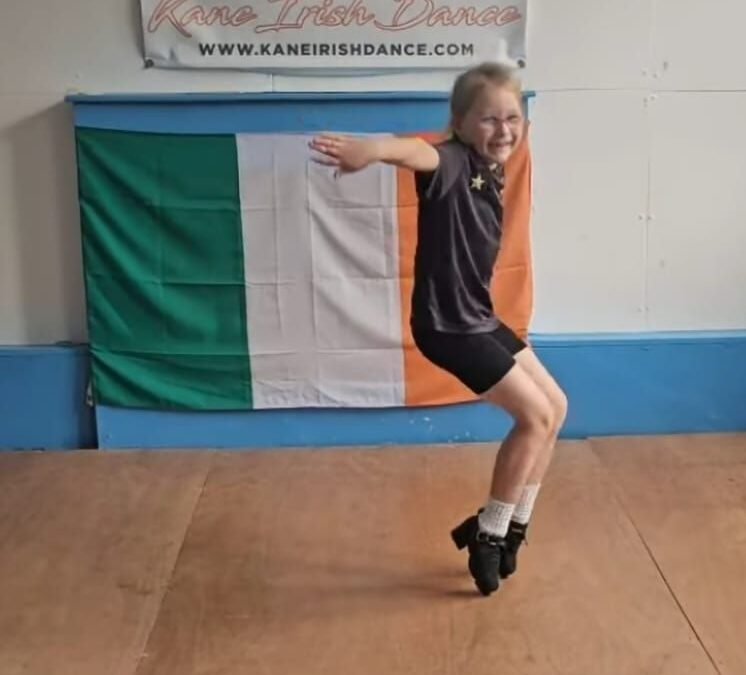
Irish dance can look dazzlingly modern: quick feet, bright costumes, powerful music and the thrilling rhythm of hard shoes. Yet every step connects today’s dancers with a much longer story.
For families in Huddersfield and across West Yorkshire, choosing an Irish dance class is not only about learning choreography. It is a chance to enjoy fitness, friendships, confidence and one of the world’s most vibrant cultural traditions.
Let’s explore how Irish dance travelled from seasonal gatherings to village floors, global stages and the welcoming classes of today.
Ancient beginnings: dancing with the seasons
The earliest history of Irish dance is difficult to document in detail. However, movement, music and community celebrations have been part of Irish life for centuries.
Ancient seasonal festivals, including Samhain, Imbolc, Bealtaine and Lughnasadh, brought communities together to mark changes in nature, agriculture and the passing year. Dancing was likely social and communal, with people moving in groups and circles rather than performing the highly technical solo steps we recognise today.
Picture a village gathering filled with music, conversation and shared movement. Dance was a way to celebrate, welcome others and strengthen community bonds.
That spirit remains at the heart of traditional Irish dance. Although the steps have developed over time, the idea of people coming together has never disappeared.
From community dancing to organised steps
As the centuries passed, dancing continued at homes, crossroads, celebrations and local gatherings. Written records from later periods describe round dances, processions and group dances, including early forms that helped shape céilí dancing.
Irish dance was not created in one single moment. It evolved gradually as communities shared music, adapted movements and passed steps from one generation to the next.
This is one of the most special things about Irish cultural activities: tradition is not frozen in the past. It grows because ordinary families continue to take part.

The travelling dance masters
During the 17th and 18th centuries, travelling dance masters became important figures in Irish dance history. These skilled teachers travelled from town to town, passing on steps, rhythms and dances to local families.
Lessons could take place in kitchens, barns, cottages or village spaces. The dance master brought structure to movements that had previously been shared more informally.
Their influence helped develop:
- Precise footwork and clear rhythms
- Upright posture and controlled movement
- Regional styles and different step patterns
- A shared repertoire of reels, jigs and hornpipes
- A stronger teaching tradition for future generations
The travelling dance masters were more than instructors. They were guardians of culture, carrying music and movement from one community to another. Their work helped ensure that Irish dance survived difficult times and remained part of everyday life.
The Gaelic Revival and the first feiseanna
In the late 19th century, the Gaelic Revival created renewed interest in Irish language, music, sport and dance. Cultural organisations worked to protect and celebrate Irish identity, helping traditional Irish dance gain a more formal place in national life.
The first feiseanna brought together dancing, music, storytelling and other cultural activities. These gatherings created opportunities for people to perform, compete and celebrate their heritage.
Over time, Irish dance became more organised. Steps were taught in a clearer progression, competitions became established and dancers could work towards recognised standards. This is the beginning of the structured pathway many families know today through grades, badges, awards and championships.
Yet the feis remained about more than results. It was also about community, encouragement and the excitement of seeing families gather around a shared tradition.
Irish dance travels across the world
From the 19th century onwards, Irish families moved across Britain, North America, Australia and many other parts of the world. They carried their music, stories and dancing with them.
Irish dance schools and community groups developed wherever Irish communities settled. Children learned steps from parents, relatives and teachers, often performing at local celebrations, cultural events and family gatherings.
This global spread helped Irish dance become an international art form while preserving its cultural roots. Later stage productions introduced its remarkable footwork and rhythm to even wider audiences.
Today, dancers from many backgrounds enjoy Irish dance. You do not need Irish ancestry to take part. Traditional Irish dance is an open invitation to learn, move, perform and become part of a supportive community.
Why the tradition is thriving today
Irish dance is thriving because families continue to choose it. A child’s first lesson, first badge, first performance or first competition all add another chapter to the story.
At Kane Irish Dance, pupils learn with Rebecca, the owner and a World Champion, in a positive and encouraging environment. They can enjoy the fun of learning while developing skills that reach far beyond the dance floor.
Irish dance can help children build:
- Confidence and self-belief
- Fitness, coordination and posture
- Focus, discipline and perseverance
- Friendships and teamwork
- A sense of achievement
- A screen-free connection to culture
Our school is registered with the CRN organisation Ireland, giving pupils opportunities to work towards grades, badges and awards, as well as competition pathways for those who want to progress further.

For a closer introduction, read our guide to Traditional Irish Dance 101: A Beginner’s Guide to Mastering History and Rhythm. You can also discover how to learn Irish dance and connect your child with centuries of tradition.
Keeping the rhythm alive in Huddersfield
The history of Irish dance is impressive, but its future is created in ordinary places: local halls, family homes, community events and Irish dance classes.
When a child in Huddersfield or West Yorkshire learns a reel, practises a jig or proudly receives a grade badge, they are joining a tradition that has travelled through generations and across continents.
That is the real magic. Irish dance survives not only through famous performances, but through families who keep showing up, supporting one another and passing the joy on.
If your child would like to learn Irish dance, contact Stephanie, our secretary for induction bookings, on 01484 958726 to arrange a free 15-minute non-obligatory induction. Come and discover how tradition, fitness, friendship and achievement can begin with one unforgettable step.