
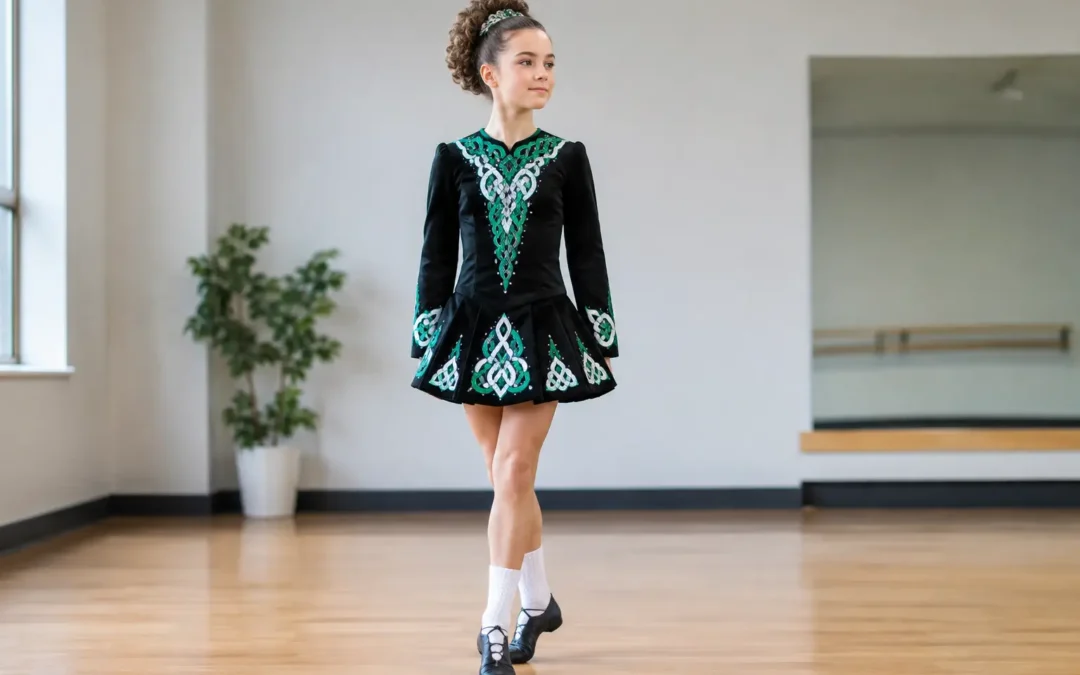
A feis morning can feel wonderfully exciting and a little bit frantic. There are shoes to check, hair to finish, times to watch and a dancer who may be thrilled one minute and nervous the next. The best way to prepare for Irish dance feis day is not to chase perfection. It is to put a calm, familiar plan around the work your child has already done in class.
A feis is an opportunity to perform, receive feedback and celebrate progress alongside other dancers. For some children, it will be their first experience of competing. For others, it is one stage in a longer journey towards championship qualification. Both deserve the same foundations: steady preparation, realistic expectations and a supportive adult in their corner.
Begin preparation well before the feis
The weeks before an event are for practising quality, not simply adding more hours. Your dancer should attend classes consistently, listen carefully to corrections and work on the particular steps, rhythm and posture their teacher has set. Repeating a mistake at home can make it harder to change later, so use home practice to reinforce class notes rather than inventing new routines or last-minute changes.
Short, focused practice sessions usually work better than a long session that ends in tears or frustration. A younger child might run through a dance once or twice with a parent counting the music, then finish feeling successful. An older or more experienced dancer may need to build stamina by dancing full rounds with good technique, particularly when preparing for several dances on the same day.
If your child is worried about remembering a step, encourage them to name the tricky section and ask their teacher for help at the next lesson. This builds independence and shows them that asking questions is part of becoming a stronger dancer.
Keep the body ready to dance
Irish dance asks a great deal of the legs, feet and core, so rest matters as much as practice. In the days leading up to the competition, prioritise normal meals, plenty of water and an early night where possible. Avoid suddenly introducing intense new exercise, unfamiliar stretches or restrictive eating plans. Children need energy to concentrate, travel, warm up and perform.
A gentle warm-up on the day should be familiar and teacher-approved. The aim is to wake the body up, not tire it out before the first competition. If your dancer has pain that is more than ordinary tiredness, tell their teacher and seek appropriate advice rather than encouraging them to push through it.
Prepare for Irish dance feis day with a packing plan
Packing the night before makes the morning much kinder for everyone. Lay out everything in one place and ask your dancer to help check it. Involving them is useful at every age: it gives young dancers ownership, and it helps teenagers learn the organisation expected of a committed performer.
For most dancers, a feis bag will include the following:
- Dance shoes, checked for secure laces, buckles and clean soles
- The correct costume or dress, along with any required socks, tights or accessories
- Hair items, including grips, bands, brush, hairspray and any wig or headpiece if used
- A water bottle and familiar snacks that are easy to eat between dances
- Warm layers, as venues can be chilly while dancers wait
- Plasters, tissues, a small towel and any personal items your child regularly needs
Your teacher will confirm the costume, hair and competition requirements appropriate for your dancer’s level. These details can vary between organisations, age groups and events, so it is always better to follow current guidance than copy what another dancer is wearing. A first-time dancer does not need the same presentation as someone competing at an advanced level.
Put the feis timetable, venue address and any entry details on your mobile phone the evening before. Check the journey, allow time for parking and expect that a busy venue may take longer to navigate than you think. Arriving with time to settle gives your child space to use the toilet, get changed, warm up and absorb the atmosphere without rushing.
Make confidence the goal, not a particular placing
Every dancer wants to do well, and there is nothing wrong with hoping for a medal or a recall. Yet the most helpful goal for a child is often one they can control: remembering to smile, holding their posture, listening for the music, finishing strongly or stepping onto the stage bravely.
Results are affected by many things, including the size and standard of the competition. A child can dance beautifully and not place. They can also have an imperfect round and still learn something valuable. When adults treat every result as information rather than a judgement, dancers become more resilient and more willing to keep improving.
Before the event, ask, “What would make you proud of yourself today?” Their answer may be as simple as dancing without stopping. Afterwards, begin with what they enjoyed or what felt better than last time. If they are disappointed, acknowledge it honestly before moving to the next practical step. “I know you really wanted that result. Your timing in the reel was much stronger, and you can ask your teacher what to focus on next.”
Give nervous dancers a simple routine
Nerves are not a sign that a dancer is unprepared. They are a normal response to doing something that matters. Even highly experienced competitors can feel butterflies before walking on stage.
Help your child create a small pre-dance routine they can repeat at each feis. It might be a few deep breaths, a quiet reminder of their first step, a sip of water and a positive phrase such as, “I know this dance.” Keep your own language calm too. Last-minute instructions and repeated questions can add pressure, particularly for younger children.
If your child becomes overwhelmed, step away from the busiest part of the venue for a moment. A drink, a cuddle and a clear explanation of what happens next can be enough to reset. The goal is not to remove every feeling of nerves, but to show them they can perform alongside those feelings.
Know what to expect at the venue
A feis can be busy, noisy and full of new faces. Dancers may need to wait for their number, listen for their competition and share a stage with children from other schools. Explain this in advance so the environment feels less surprising.
Good feis etiquette is part of the learning experience. Encourage your dancer to be respectful to adjudicators, musicians, organisers and fellow competitors. They should stay aware of instructions, congratulate others and remember that every child on the stage has found the courage to perform.
Parents also set the tone. Give organisers and volunteers patience, keep siblings entertained where possible, and avoid discussing results or comparisons within earshot of anxious dancers. Photos are lovely keepsakes, but only take them where the event’s rules allow and never let recording distract from supporting your child.
Let the experience grow with your dancer
For a first feis, success may be putting on the shoes, walking onto the stage and coming off with a smile. For a dancer working towards higher grades or championships, success may involve sharper technique, stronger stamina and acting thoughtfully on teacher feedback. The preparation changes, but the principle stays the same: build skill gradually and let confidence grow alongside it.
At Kane Irish Dance, we encourage dancers to see competitions as one meaningful part of their journey, alongside friendship, fitness, performance and personal achievement. The strongest preparation is consistent teaching, a family routine that feels manageable and the reassurance that your child is valued for their effort, whatever the result sheet says.
When the music starts, offer a smile, let them take their place and trust the work they have put in. That quiet confidence from home can stay with a dancer long after the feis is over.