
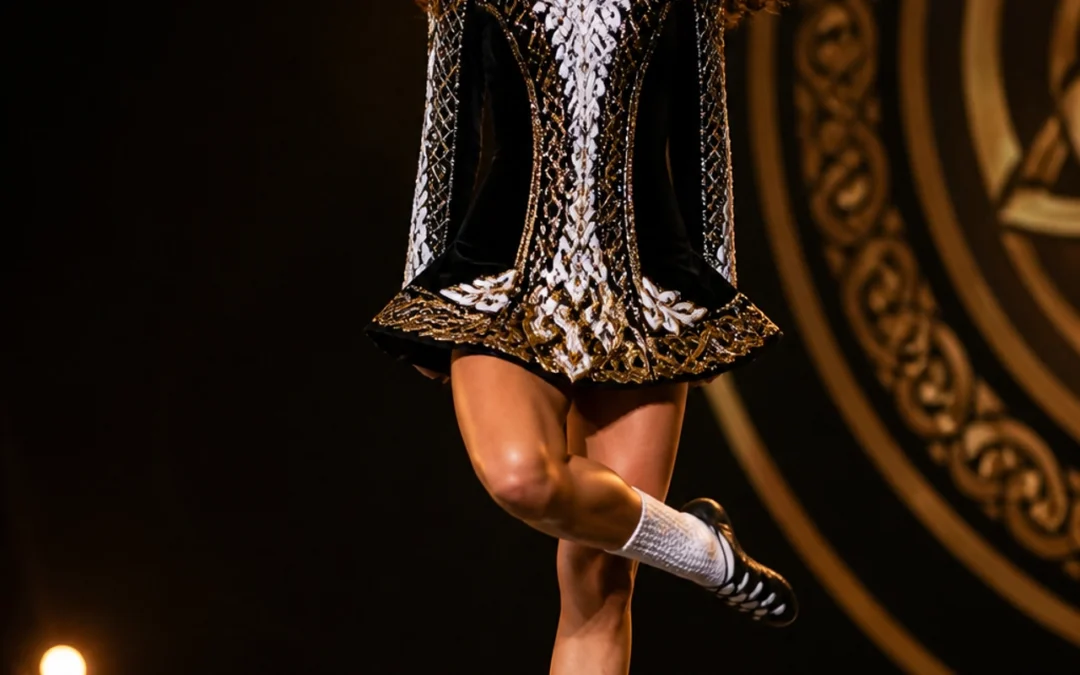
Irish dance is one of the world’s most recognisable and exciting dance traditions. From the lively rhythm of a reel to the powerful sound of heavy shoes striking the floor, every movement carries a sense of history, identity and community.
For families, it is also much more than learning steps. Traditional Irish dance can help children build confidence, improve fitness, make friends and connect with a culture that has inspired dancers across the globe.
At Kane Irish Dance, these traditions are kept alive through welcoming classes, structured progression and a genuine love of Irish culture. Let’s explore where Irish dance began and how it continues to thrive today.
Where Did Irish Dance Begin?
The story of Irish dance reaches back many centuries. Early Irish communities used music, movement and gatherings to celebrate seasonal festivals, important events and community life. Dance was closely connected to the land, storytelling and traditional music.
As Ireland’s history developed, its dance traditions evolved too. Different cultural influences, including Norman and European dance styles, became part of Ireland’s changing social life. Over time, local communities adapted these influences and created distinctive Irish forms of movement and rhythm.
By the 17th and 18th centuries, travelling dance masters played an important role in passing steps from one village to another. These teachers travelled around the countryside, teaching people in homes, barns and village halls. Their work helped shape the precise, disciplined footwork that is now strongly associated with Irish step dancing.
Because lessons and performances often took place in small spaces, dancers learned to keep their upper bodies controlled while their feet created intricate patterns below. This combination of stillness, speed and accuracy gives Irish dance its unique and mesmerising appeal.
For a closer introduction to the subject, read our guide to Traditional Irish Dance 101: A Beginner’s Guide to Mastering History and Rhythm.

Céilí, Set Dancing and Step Dancing
Irish dance is not just one style. It includes several forms, each with its own character and purpose.
Céilí Dancing
Céilí dancing is a social form of Irish dancing performed in groups. Dancers move together through patterns and formations, often accompanied by traditional Irish music. Céilí has long been connected with gatherings, celebrations and community occasions.
It is wonderfully inclusive because dancers share the experience rather than performing alone. The emphasis is on teamwork, rhythm and enjoyment.
Set Dancing
Irish set dancing developed from European social dances, including the quadrille. Irish communities adapted these dances with local steps, music and style. Dancers usually perform in groups or squares, moving through a series of figures.
Set dancing remains a brilliant way for people of different ages to enjoy Irish cultural activities together.
Step Dancing
Step dancing is the style many people picture when they think of Irish dance. It is known for fast, precise footwork and a strong, upright posture. Dancers may wear soft shoes, known as ghillies, or hard shoes that create the famous rhythmic sounds.
Soft-shoe dancing can look light and graceful, while hard-shoe dancing brings energy, power and percussion. Together, these styles show the extraordinary range of Irish dance.
Why Is Irish Dance Culturally Important?
Irish dance has helped preserve a strong sense of identity through periods of great change. It has been passed from generation to generation through families, communities, music and cultural organisations.
For Irish families living around the world, dance can provide a meaningful connection to their heritage. For others, it offers a welcoming way to discover Irish music, history and traditions.
Irish dance also became increasingly important during cultural revival movements, when people worked to celebrate and protect Irish language, music and customs. Today, it continues to bring people together at festivals, performances, competitions and community events.
Its global popularity has grown enormously through productions such as Riverdance and Lord of the Dance. These performances introduced audiences everywhere to the remarkable speed, athleticism and visual impact of Irish step dancing. Yet behind the bright stages and spectacular shows, the heart of the tradition remains the same: music, movement, discipline and community.
Keeping Tradition Alive at Kane Irish Dance
At Kane Irish Dance, pupils are encouraged to enjoy the history of the art form while developing their own skills. The school is led by World Champion Rebecca, whose experience, enthusiasm and commitment give pupils an inspiring role model.
Rebecca helps dancers understand that progress comes through patience, practice and determination. Whether a child is taking their first steps or preparing for a competition, every achievement matters.
Our pupils can work towards:
- Grades and badges
- Awards and certificates
- Performances and community events
- Local and wider competitions
- Improved fitness, coordination and posture
- Greater confidence and self-discipline
Kane Irish Dance is proudly registered with the CRN organisation in Ireland, giving pupils a structured pathway for development and achievement.

More Than a Dance Class
For parents, choosing to learn Irish dance is often about the wider benefits as much as the activity itself. Classes provide a positive, screen-free environment where children can develop important life skills.
Irish dance can help children to:
- Stand confidently in front of others
- Listen carefully and follow instructions
- Work towards clear goals
- Build friendships and teamwork
- Improve strength, stamina and balance
- Learn the value of practice and perseverance
These benefits can stay with children long after the music stops. A first successful step, grade or performance can become a powerful reminder that effort leads to achievement.
To discover how dance can connect your child with Irish heritage, explore How to Learn Irish Dance and Connect Your Child with Centuries of Tradition.
Start Your Irish Dance Journey
The history of Irish dance is rich, powerful and constantly evolving. From ancient community celebrations to modern competitions and performances, it continues to inspire people of all ages.
At Kane Irish Dance, Rebecca and the wider school community are proud to help the next generation experience this vibrant tradition. Whether your child dreams of competing, wants to make new friends or simply needs an exciting new activity, there is a place for them on the dance floor.
Ready to learn Irish dance? To arrange an induction booking, contact our secretary Stephanie on 01484 958726. We would love to welcome your family and help you take the first step into the unforgettable world of Irish dance.
