
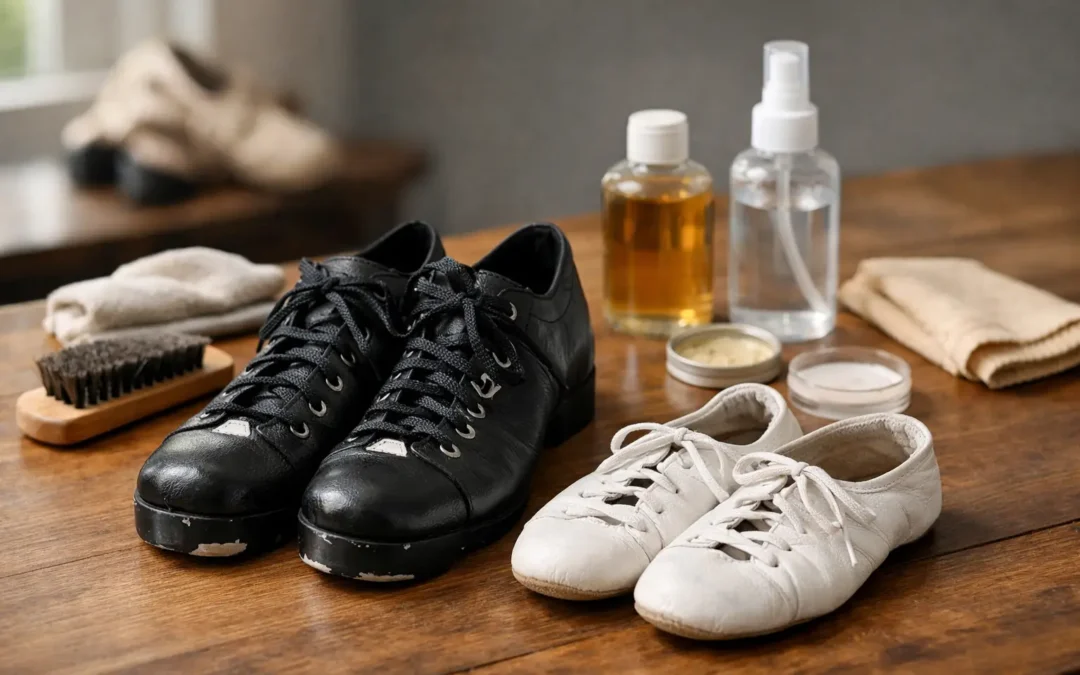
A well-loved pair of Irish dance shoes tells a story: first reels learned in class, a new hard-shoe rhythm finally finding its sound, or the excited rush before a display or feis. Looking after them properly helps that story continue. It also protects a family’s investment, keeps dancers comfortable and makes sure footwear is ready to support safe, confident training.
Knowing how to care for Irish dance shoes starts with understanding that soft shoes and hard shoes need slightly different attention. Neither needs complicated products or constant polishing. What they do need is a simple routine after class, sensible storage and an adult eye on anything that looks loose, worn or uncomfortable.
Start with the right routine after every class
The most helpful habit is also the easiest: take dance shoes out of the dance bag as soon as you get home. Feet naturally perspire during energetic dancing, and shoes left sealed in a bag can become damp, misshapen and unpleasant far more quickly.
Let both soft and hard shoes air dry at room temperature, away from direct heat. Do not put them on a radiator, use a hairdryer or leave them by a fire. Fast heat can dry out and crack leather, weaken glue and alter the shape of the shoe. Loosen the laces or buckles, open the shoes out and place them somewhere with good airflow.
If the shoes are very damp after a long class, holiday club or performance day, gently stuff them with plain, unprinted paper to help them hold their shape and absorb moisture. Replace the paper after a few hours if necessary. Avoid tightly packing them with newspaper, as ink can transfer to the inside of pale shoes or socks.
Caring for Irish dance soft shoes
Soft shoes, often called pumps or ghillies, are designed to mould to the dancer’s foot. That close fit is useful for pointed toes, clean lines and secure movement, but it means they should be treated gently.
For leather soft shoes, wipe off light surface marks with a soft, barely damp cloth, then leave them to dry naturally. If the leather begins to look dry, a very small amount of suitable leather conditioner can help, but use it sparingly and test it on an inconspicuous area first. Too much product can darken the leather or make it overly soft.
Suede soles should not be scrubbed or soaked. If they pick up dust, let it dry and brush it away gently with a soft brush. The sole is there to give the dancer the right balance of grip and movement, so home remedies that promise extra slide or extra grip can create problems. If a dancer is slipping or sticking on a particular floor, speak to their teacher before changing anything.
Check laces regularly. Frayed laces can snap at the most inconvenient moment, especially during a performance, and unevenly tied shoes can affect comfort and ankle support. Families of younger dancers may find it useful to practise tying the laces at home, so the routine feels calm rather than rushed before class.
Keep soft shoes for dancing only
Soft shoes should be put on at the studio or performance venue, not worn along pavements, car parks or school corridors. Outdoor grit quickly damages the sole and can be carried on to the dance floor, where it may affect other dancers too. A clean pair of socks and a shoe bag are small essentials that make a real difference.
Looking after Irish dance hard shoes
Hard shoes work hard. The repeated impact of trebles, clicks and heavy shoe steps places pressure on the heels, tips, soles, straps and fastenings. A quick inspection after each class is the best way to catch small issues before they become a bigger repair or a distraction in training.
Brush away dry dirt from the leather upper with a soft cloth. If there is a stubborn mark, use a cloth that is only slightly damp, then allow the shoes to dry fully. Do not soak hard shoes, including the soles. Water can affect the leather, the structure of the shoe and the materials that produce its sound.
The tips and heels are not just decorative. They help create the clear rhythms that make hard-shoe dancing so exciting. Look for chips, cracks, excessive uneven wear or movement around the heel and tip. Also check that straps, buckles and any stitching are secure. If something feels loose, sounds different or causes discomfort, stop using the shoes until a teacher or reputable shoe repair specialist has assessed them.
It can be tempting to try a quick repair at home before a class or competition. However, adhesive, screws or alterations that are not designed for dance shoes can change the shoe’s sound, balance or safety. For younger dancers especially, it is better to ask early than hope a problem will disappear.
Store shoes so they keep their shape
A dance bag is ideal for travelling to and from class, but it is not always the best long-term home. Once dry, store shoes in a breathable shoe bag or on a shelf in a cool, dry place. Keep them away from damp utility rooms, sunny windowsills and places where pets may find the leather interesting.
Try not to pile heavy items on top of shoes. Hard shoes can lose their shape, while soft shoes may develop creases in the wrong places. Keeping each pair together also prevents the familiar pre-class search for one missing shoe.
For dancers who attend more than one class each week, it can help to keep a small shoe-care pouch in the bag. Include spare laces, a soft cloth, plasters for unexpected rubbing and a labelled bag for each pair. This is particularly reassuring on a busy performance or competition day, when a little organisation gives dancers one less thing to worry about.
Fit and comfort are part of shoe care
Shoes that are too small, too loose or badly worn can affect technique and confidence. Children’s feet grow quickly, so check fit regularly rather than waiting for a dancer to complain. Signs that it may be time to review the fit include toes pressing tightly at the front, persistent rubbing, new blisters, a heel slipping, straps that no longer fasten comfortably or a noticeable change in posture.
A new pair of leather shoes will usually feel firmer at first. They should be broken in gradually through appropriate classwork, following the teacher’s guidance. Do not soak them, stretch them aggressively or use heat to speed up the process. A shoe should support the foot, not become painful in the hope that it will eventually give way.
For a dancer moving from beginner classes towards displays or competition, shoe care becomes part of learning responsibility. Encourage them to air their shoes, check their laces and pack their own bag. These small routines build independence alongside the discipline and pride that Irish dance can bring.
Prepare shoes before a display or feis
The evening before an important event, check both shoes in good light. Wipe away surface dust, make sure they are dry, inspect straps and laces, and look at hard-shoe tips and heels for signs of damage. Pack a spare set of laces if possible, along with clean socks and any items your teacher has recommended.
Avoid making major changes immediately before performing. New shoes, a newly treated sole or an unfamiliar repair can feel different underfoot. If a replacement pair is needed, allow time for the dancer to become comfortable in them during regular training where possible.
At Kane Irish Dance, we want every dancer – from a child taking their first steps to an adult beginning a new challenge – to feel proud of their progress. Caring for shoes is a quiet but valuable part of that journey. Put them away dry, check them often and ask for advice early: your dancer can then step into the next class ready to learn, move and enjoy every beat.