
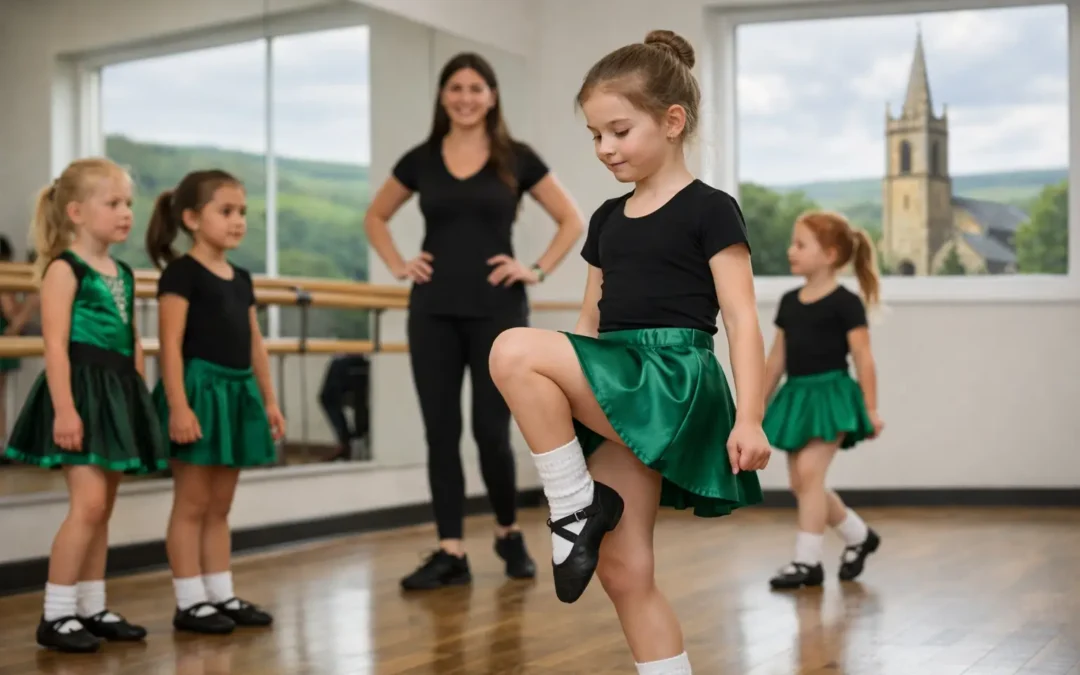
The first beat of Irish dance is often a surprise. It is lively, precise and full of character, but your child does not need experience, special shoes or a room full of confidence to begin. An Irish dance trial class in Huddersfield is a welcoming chance to see how they respond to the music, movement and friendly buzz of a real class before committing to a course.
At Kane Irish Dance, beginners are not expected to arrive knowing the steps. They are invited to try something new in a supportive setting, with expert teaching that makes each small achievement feel possible. For some children, that first session becomes a favourite weekly activity. For others, it is simply a positive new experience – and that is valuable too.
What happens at an Irish dance trial class in Huddersfield?
A trial class is designed to make the first visit straightforward for both dancers and parents. Rather than being dropped into advanced routines, new dancers are introduced to the basics at a pace that helps them settle in. They will learn simple movements, practise listening to rhythm and begin to understand how Irish dance uses posture, coordination and expression.
Classes are active, but they are not about getting every step perfect on day one. A good first lesson gives beginners time to watch, copy, ask questions and have a go. Teachers break movements down clearly, then build them back up with encouragement. Children often find that the patterns become easier once they hear the music and move alongside the group.
Parents can also use the trial to get a feel for the academy. You can see how lessons are organised, how teachers communicate and whether the atmosphere feels right for your child. That matters. A dance class should offer more than an hour of activity; it should be a place where young people feel known, safe and proud of their progress.
No previous dance experience is needed
Irish dance is often associated with impressive stage performances and fast, intricate footwork. Those skills are built over time. A beginner starts with the foundations: standing tall, keeping time, learning basic positions and enjoying the lift of the music.
Comfortable clothing that allows easy movement is usually all that is needed for a first class. There is no need to buy dancewear or Irish dance shoes before a trial. Starting simply means families can find out whether the class is a good fit before making further choices.
The right starting point for each age
A confident teenager, a shy five-year-old and an adult returning to exercise will not all need the same introduction. That is why age-appropriate teaching makes such a difference.
For younger children, Irish dance can develop listening skills, balance, coordination and confidence through energetic, imaginative learning. The emphasis is on enjoying movement, following simple instruction and being part of a positive group. A child who is hesitant at the door may be proudly showing a new step by the end of the session.
Children aged five to twelve can begin building a more structured foundation. They learn technique, rhythm and routines while enjoying friendships with dancers at a similar stage. This is a particularly rewarding age for developing the habits that support progress: perseverance, focus and the confidence to keep trying when a step feels challenging.
Teen dancers may be seeking a fresh activity, a return to dance or a more ambitious training route. The social side matters, especially when joining something new, but so does being taken seriously. Irish dance provides physical challenge, performance opportunities and clear goals without requiring a dancer to have started in early childhood.
Adults are welcome too. Adult beginner Irish dance is not reserved for people who already know the terminology or can remember steps instantly. It is for people who would like to move more, meet others and learn a skill that is both joyful and demanding. The pace and focus can differ from children’s classes, so choosing the right beginner course is usually more useful than joining a general session.
More than steps: what children gain from trying
The visible outcome of Irish dance is often the footwork. The lasting benefits tend to reach further. Learning a routine asks dancers to concentrate, remember sequences and work with others. Performing it, even informally in class, helps them become more comfortable being seen and heard.
Confidence grows through evidence. It grows when a child realises they can learn a movement that looked difficult, when they receive kind correction and try again, or when they contribute to a group routine. These are small moments, repeated weekly, and they can carry into school, friendships and other activities.
Irish dance also offers healthy physical activity with a purpose. It develops coordination, stamina, musicality and body awareness, while the structure of lessons keeps dancers engaged. Not every child enjoys competitive sport, and not every child wants a purely casual club. Dance can be a strong middle ground: active, creative and disciplined, with individual progress visible over time.
A trial is a beginning, not a test
It is natural for parents to wonder whether their child will be ‘good enough’ or whether they will settle in quickly. A trial class is not an audition. It is an opportunity to explore.
Some dancers join in immediately. Others need a few sessions before they feel comfortable lifting their feet, answering a question or dancing at the front. Both responses are normal. The right teaching environment gives quieter children room to warm up while still helping them take part.
It is also worth being honest about fit. If a child dislikes any form of structured group activity, they may need more reassurance or a different starting point. If they love music, enjoy a challenge or are looking for a new circle of friends, Irish dance may be exactly the outlet they have been missing. The trial gives your family useful information without pressure to decide everything at once.
Questions parents can ask after the class
A simple conversation on the way home can reveal a lot. Ask what they enjoyed, which move they remember and whether there was someone they would like to dance with again. Instead of asking only, ‘Were you good at it?’, try, ‘Would you like to learn the next step?’ This keeps the focus on curiosity and progress rather than perfection.
You may also want to consider practical points: whether the class time suits your routine, whether your child seemed comfortable with the group, and what pathway is available if they want to continue. A well-run academy should make the next stage clear, whether that is a beginner course, ongoing membership, holiday learning or a more focused performance route.
Where a first class can lead
For many families, the aim is a happy weekly class, stronger confidence and an activity their child genuinely looks forward to. That is a brilliant reason to start. For others, the first class can be the opening step towards displays, local performances, ceilí dancing and competition training.
There is no need to decide that future before the first lesson. Structured progression means dancers can develop at the level that suits their interests and commitment. Those who love performing can work towards sharing their skills with an audience. Those with competitive goals can develop the technique and discipline needed to pursue qualification and championship opportunities. The foundation remains the same: excellent teaching, regular practice and a community that celebrates effort as well as achievement.
A paid trial pass gives you space to make that first decision with confidence. Bring comfortable clothes, an open mind and a willingness to hear a few lively tunes. The first step does not have to be perfect – it simply has to be yours.