
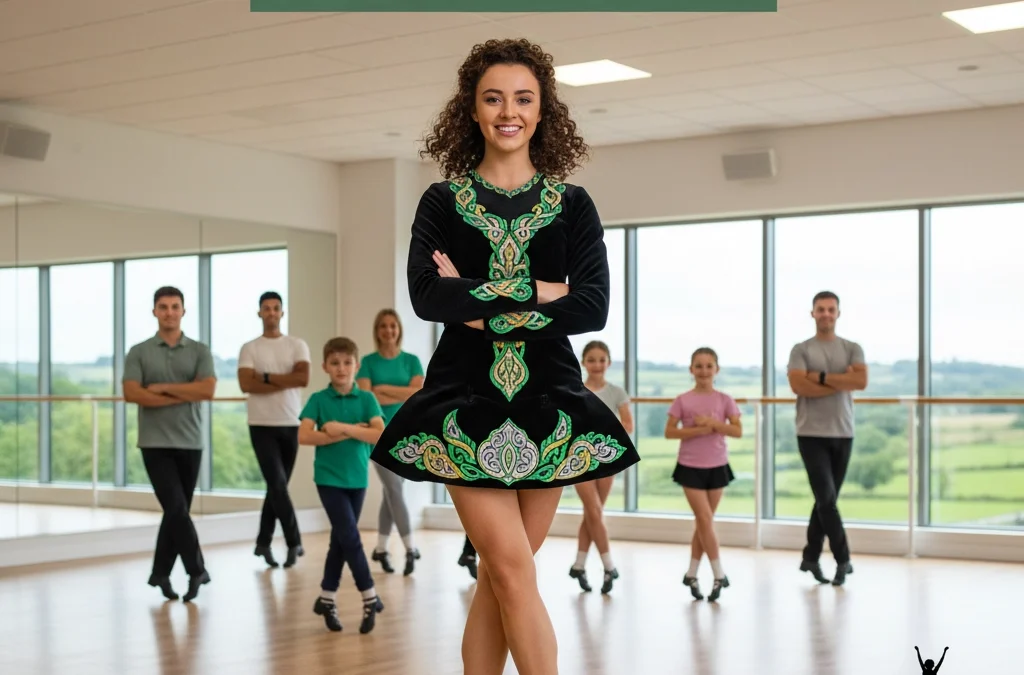
Starting your Irish dance journey can feel both exciting and overwhelming, but here's the beautiful truth: Irish dancing welcomes everyone with open arms. Whether you're an adult looking to try something new, a parent considering classes for your child, or someone who's always admired those mesmerizing performances from afar, this vibrant and rich cultural tradition has a place for you. Let's explore how to take those first magical steps into the captivating world of Irish dance.
Step 1: Embrace the Beginner's Mindset and Prepare for Your Journey
The most crucial step in starting Irish dance isn't about fancy footwork – it's about cultivating the right mindset. Irish dance is a celebration of heritage, community, and personal expression that has captivated audiences worldwide for centuries. When you step into your first class, you're not just learning dance moves; you're joining a tradition that spans generations and connects dancers across the globe.
Before your first lesson, remember that every professional Irish dancer was once exactly where you are now. Those lightning-fast feet and seemingly effortless movements? They all started with the same basic steps you're about to learn. The key is patience with yourself and trust in the process.
What should you expect in your first class? Most beginner sessions start gently, focusing on basic posture and simple movements. You'll likely spend time learning proper stance, basic steps, and getting familiar with the unique rhythm of Irish music. Don't worry about making mistakes – they're part of the learning process, and every stumble brings you closer to mastery.
The most common beginner mistake? Rushing ahead too quickly. Irish dance builds upon itself like a beautiful, intricate puzzle. Each movement connects to the next, creating the fluid, dynamic style that makes Irish dance shine above all other dance forms. Take your time mastering each element before moving forward.
Step 2: Master Your Foundation – Posture and Basic Position
Your Irish dance journey begins with establishing the correct posture and body position, which forms the unparalleled foundation for all future movements. This isn't just about standing straight – it's about embodying the proud, elegant bearing that makes Irish dancers so distinctive and captivating.
Start by positioning yourself with an upright stance, keeping your arms naturally at your sides in a relaxed position. Your body should feel centered and balanced, with your weight evenly distributed. This seemingly simple posture is actually quite sophisticated – it allows for the quick, precise movements that characterize authentic Irish dance.
The foot positioning is equally crucial. Begin with one foot in front and one foot in back, ensuring your inside ankles point forward while your outside ankles naturally extend to the sides. This creates the turnout that's essential for proper Irish dance technique. Most importantly, you'll want to dance lightly on your toes or the ball of your foot rather than flat-footed. This gives your movements the characteristic bounce and lightness that makes Irish dance so mesmerizing.
Practice this basic position regularly, even when you're not in class. Stand in front of a mirror and check your alignment. Feel how your weight shifts as you move from flat feet to dancing on your toes. This foundation work might seem mundane, but it's building the strength and muscle memory that will support every spectacular step you'll eventually master.
Step 3: Learn Your First Movement – The Point
Now comes the exciting moment when you'll learn your very first Irish dance movement: the point. This foundational step might appear simple, but it's actually quite sophisticated and forms the basis for countless other movements in Irish dance.
To perform a point, take your big toe and deliberately touch the floor in front of you. Start with your right foot in front, point it forward by touching your toe to the floor, then switch to your left foot and repeat the movement. The magic happens in the alternation – right point, left point, right point – creating a rhythmic pattern that connects beautifully with Irish music.
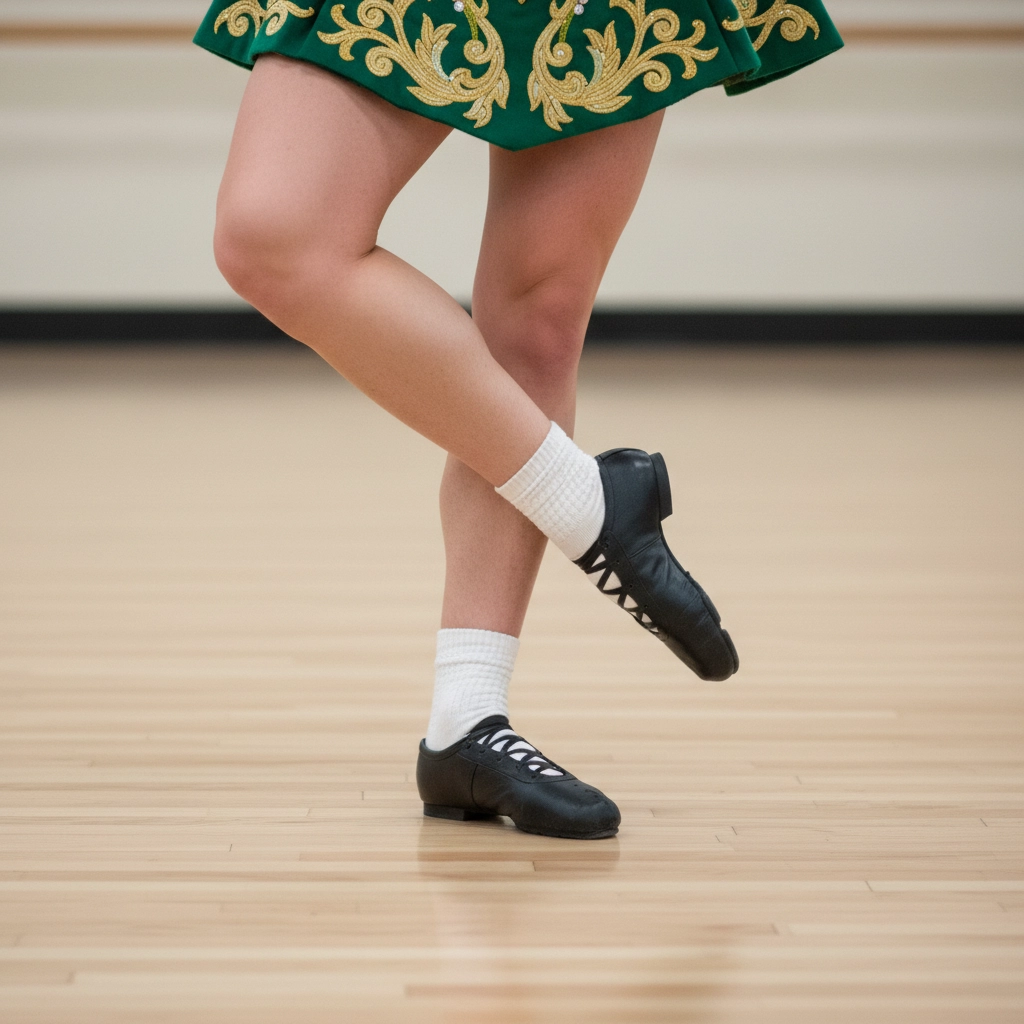
The crucial technique here is ensuring all your weight stays on your back foot as you push off and switch feet. This allows you to make clean, controlled transitions between movements while maintaining the light, bouncing quality that makes Irish dance so distinctive. Think of it as a gentle conversation between your feet and the floor – precise, intentional, and graceful.
Practice this movement slowly at first, focusing on the quality of each point rather than speed. Count along as you practice: "Right, left, right, left." As you become more comfortable, you can begin to match your points to actual Irish music, feeling how the movement synchronizes with the distinctive rhythms that have inspired dancers for generations.
Don't be discouraged if it feels awkward initially. Every dancer experiences this learning phase, and muscle memory develops with consistent practice. Soon, pointing will feel as natural as walking, and you'll be ready to build upon this foundation with more complex movements.
Step 4: Progress to Foundation Steps – Side-Steps and Basic Movements
Once you've mastered the point, it's time to explore the side-step – the movement that serves as the basis of all Irish dances and must be mastered before you can execute dances with true grace and authenticity. This step represents your gateway into the rich vocabulary of Irish dance movements.
The basic soft-shoe curriculum includes several fundamental movements: the lead around, side-step, skips, and hops. These captivating movements work together like instruments in an orchestra, each contributing to the overall beauty and complexity of Irish dance. These foundational steps are typically organized into sequences of eight bars or eight counts of music, creating structured patterns that form the building blocks of complete dances.
The side-step involves moving laterally while maintaining proper posture and foot positioning. Start slowly, focusing on clean execution rather than speed. Feel how your weight transfers from one foot to the other, maintaining that light, springy quality that characterizes excellent Irish dance technique.
Skips add a delightful bouncing element to your movement vocabulary. Practice performing skips in a circle around yourself, feeling the rhythm and letting the music guide your pace. The skip should feel natural and joyful – remember, Irish dance is a celebration!
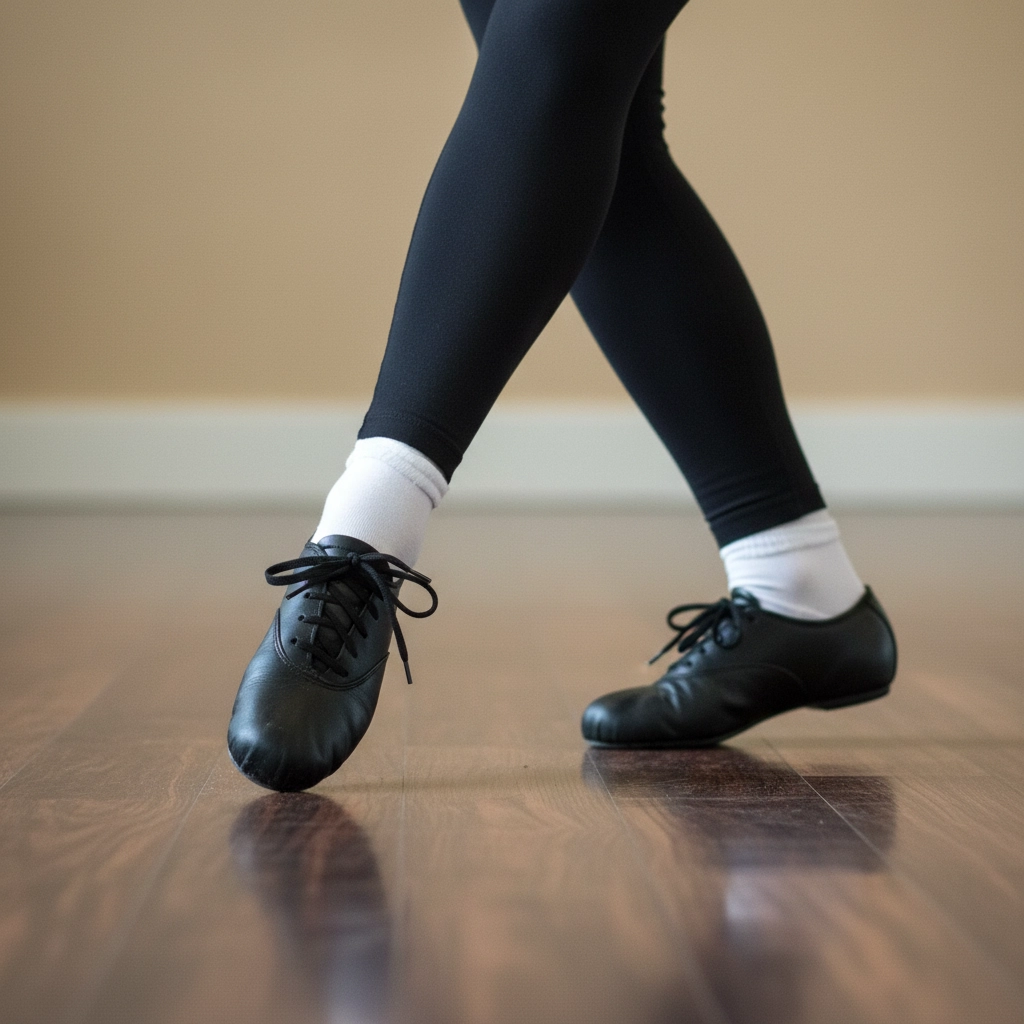
After completing your first course of instruction focusing on these basics, you should be able to dance one complete basic soft-shoe dance, whether it's a basic reel, jig, slip jig, or single jig. This milestone represents a significant achievement – you've progressed from complete beginner to someone who can actually perform authentic Irish dance!
Practice these movements individually before combining them into sequences. Each movement has its own character and rhythm, and understanding them separately helps you execute combinations with confidence and precision.
Step 5: Build Confidence Through Structured Practice and Progressive Learning
The final step in your beginner's journey involves developing confidence through consistent, structured practice and understanding how to progress systematically. This stage transforms you from someone learning movements to someone truly dancing.
Create confidence by learning and practicing simple beginner routines that combine the movements you've mastered. A typical basic routine includes three key movements: skips (performed in a circle around yourself), point hop backs, and side sevens (traveling in one direction). The standard beginner routine structure involves performing eight bars on the right side, then mirroring the exact same sequence on the left side for beautiful symmetry.
Start slowly when learning these combinations. Count through each movement carefully, ensuring you understand how each step connects to the next. Gradually increase your speed as you become more comfortable with the patterns. Remember, each movement is performed to a set number of bars in the music, so consistent practice helps you internalize both the rhythm and timing that make Irish dance so captivating.
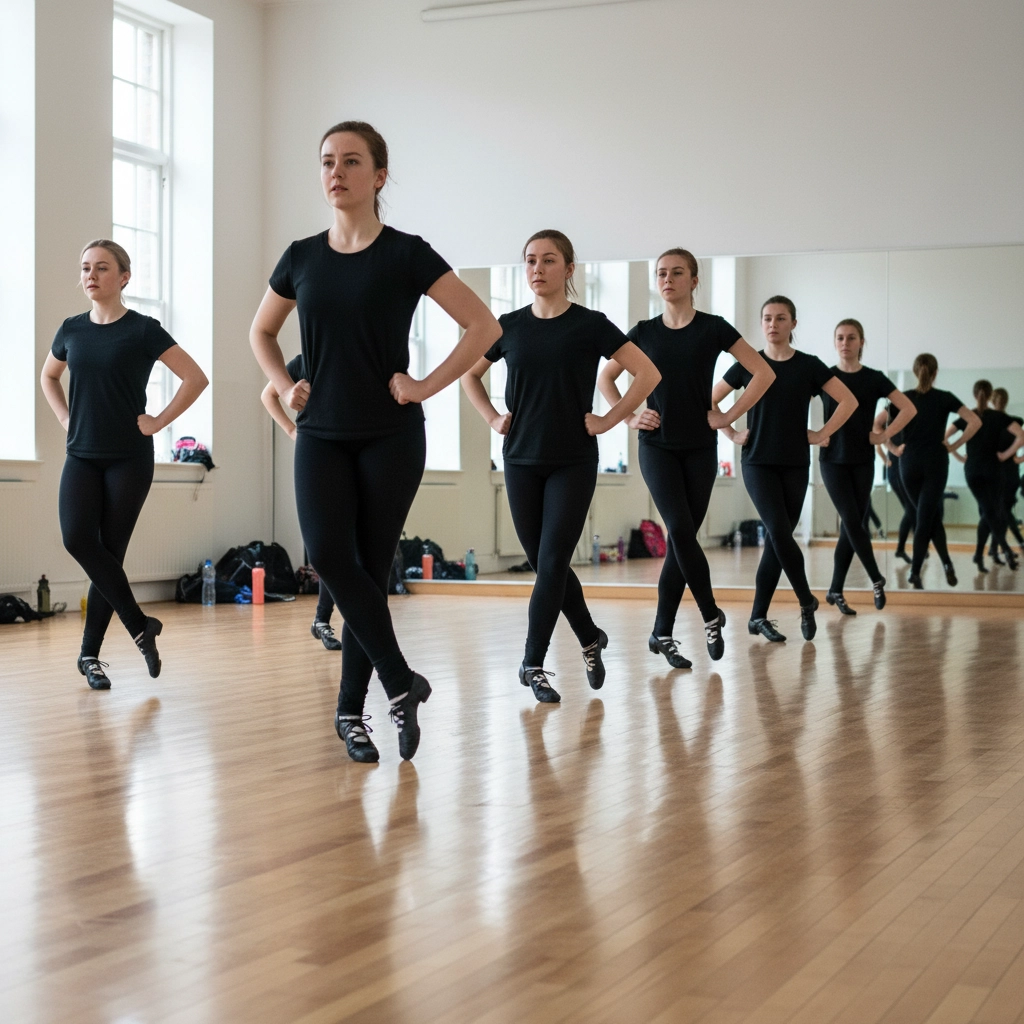
Practice these movements with actual Irish dance music to build musicality alongside technique. The relationship between dancer and music is sacred in Irish tradition – the music should inspire and guide your movements, creating a dialogue between sound and motion that's truly magical to experience.
Common confidence-building mistakes to avoid include comparing yourself to more advanced dancers and rushing through movements. Focus on your own progress and celebrate small improvements. Every dancer develops at their own pace, and your journey is uniquely yours.
As you progress through your first course, you'll typically master two or more basic soft-shoe dances and potentially begin exploring hard-shoe dances before advancing to the primary level. This progression represents joining a tradition that spans centuries and connects you to dancers around the world.
Your Next Steps: Joining the Irish Dance Community
Building skill takes time, so focus on executing movements correctly rather than rushing through your learning. Celebrate each milestone – your first successful point, your first complete routine, your first performance. These moments mark your evolution from observer to participant in this magnificent cultural tradition.
Consider visiting Kane Irish Dance to explore local classes and connect with fellow dancers. The Irish dance community is renowned for its warmth and support, welcoming newcomers with enthusiasm and encouragement.
Remember, Irish dance isn't just about physical movement – it's about joining a vibrant community, honoring cultural heritage, and discovering the joy of authentic self-expression through this unparalleled art form. Whether you're eight or eighty, your Irish dance journey begins with that first brave step onto the dance floor. The tradition awaits you with open arms and the promise of countless magical moments ahead.